How to Create a French 70s Interior Design with Easy and Fun Tips
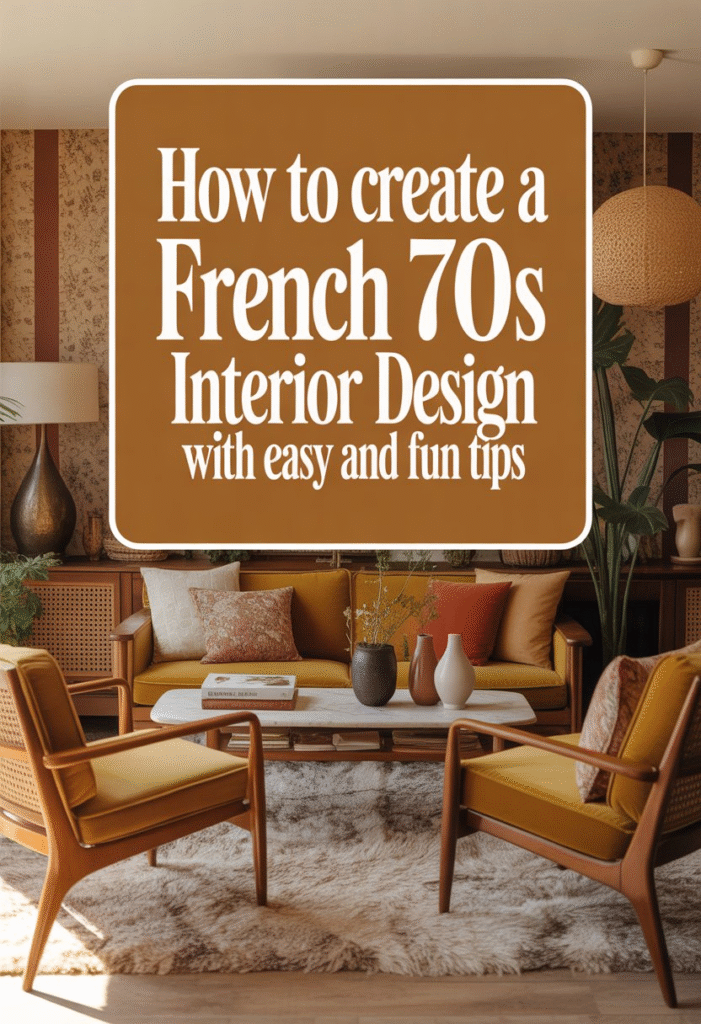
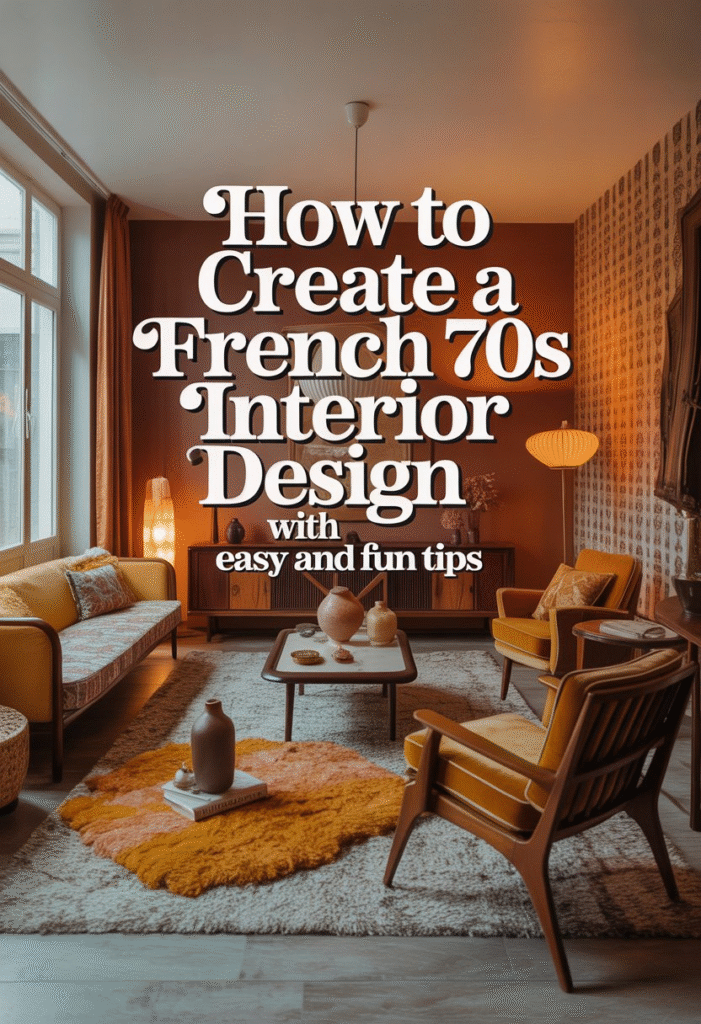
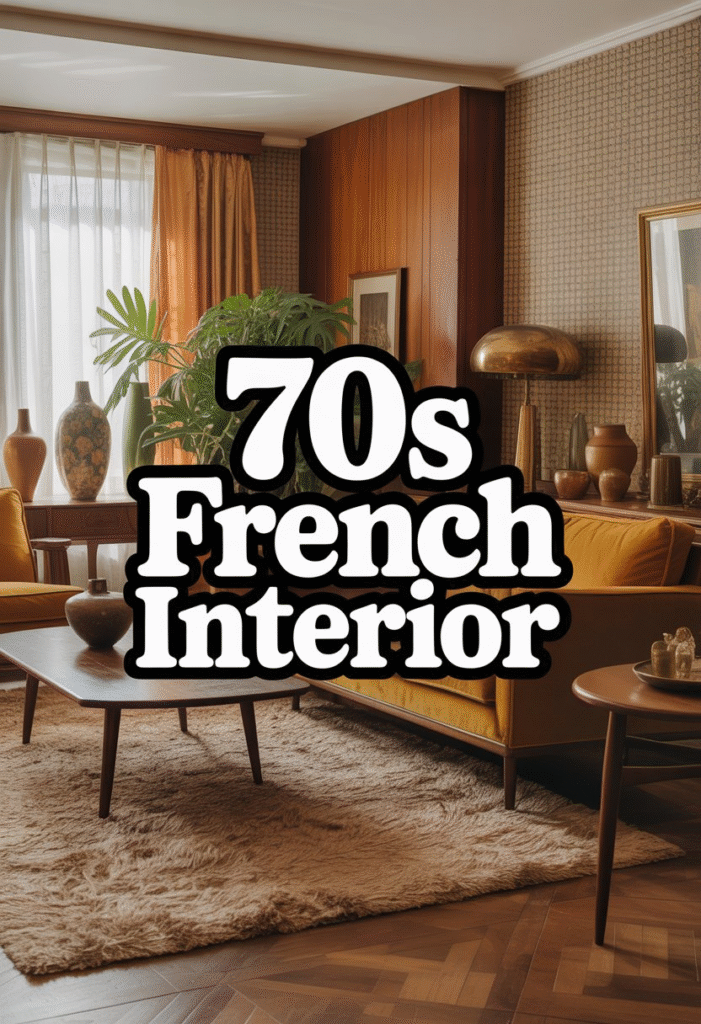
If you want to create a French 70s interior design, the key is blending the casual elegance of French style with the bold, colorful, and playful vibes of the 1970s. Start with a fresh, light background like white-washed walls, then add rich textures, earthy colors, and statement furniture pieces that feel vintage but chic. Think velvet cushions, curved sofas, and iconic 70s patterns mixed with soft, timeless French details.
This post may contain affiliate links, which means I’ll receive a commission if you purchase through my link, at no extra cost to you. Please read full disclosure here.
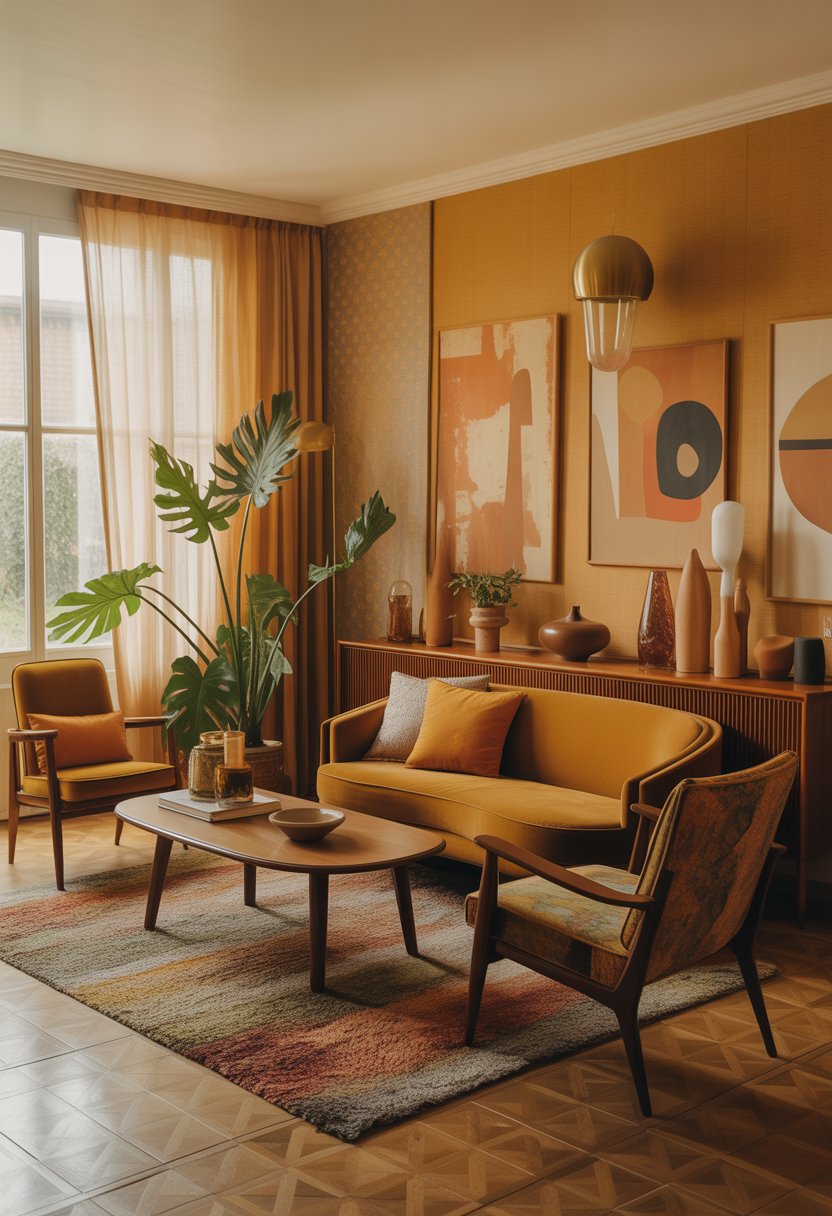


You don’t have to choose between retro and classic you can combine cozy, groovy elements like shag rugs and canopy beds with French touches like elegant windowed doors or subtle vintage accents. The goal is to make your space feel relaxed but stylish, warm but lively. This mix brings a unique charm that’s both familiar and fun.
Core Elements of French 70s Interior Design
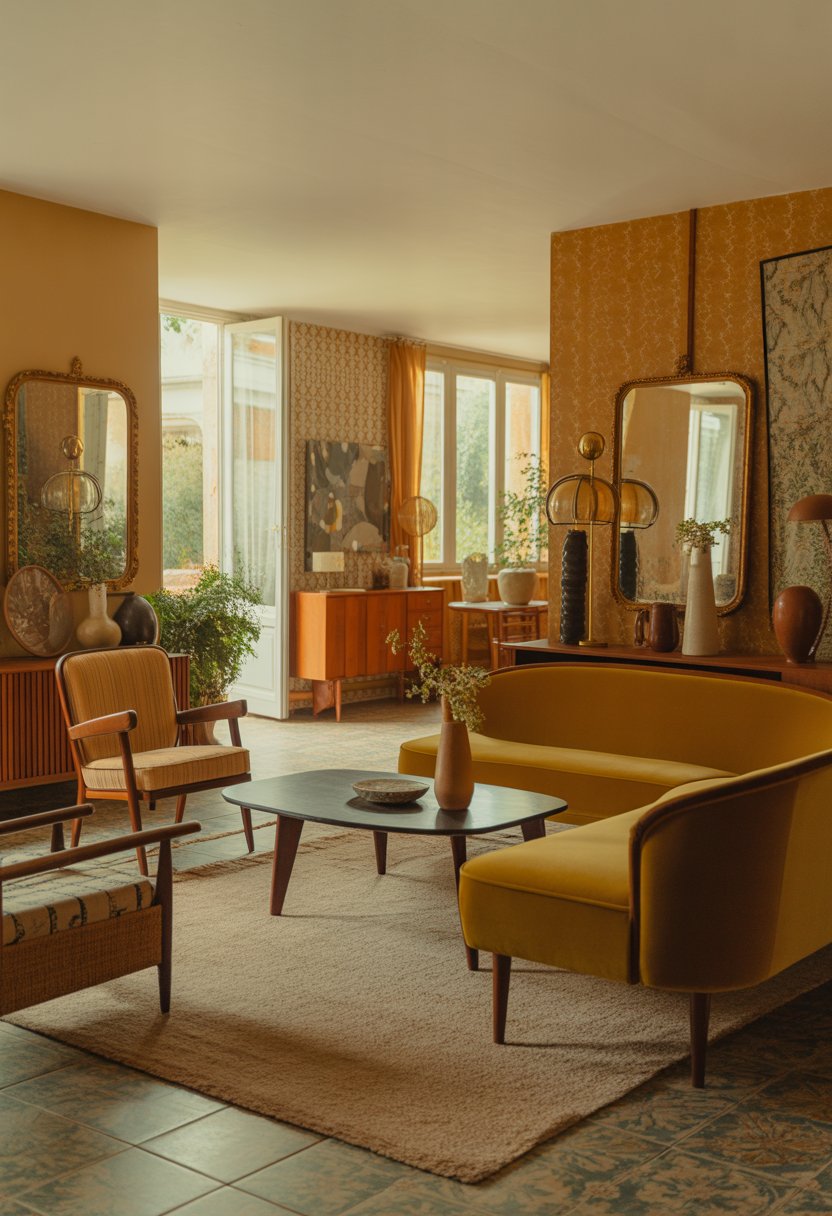


Creating a French 70s inspired room means mixing vintage charm with classic French touches and a clean, simple feel. You’ll focus on blending old and new pieces, keeping colors soft, and combining cozy country vibes with sleek minimalism.
Defining the French 70s Aesthetic
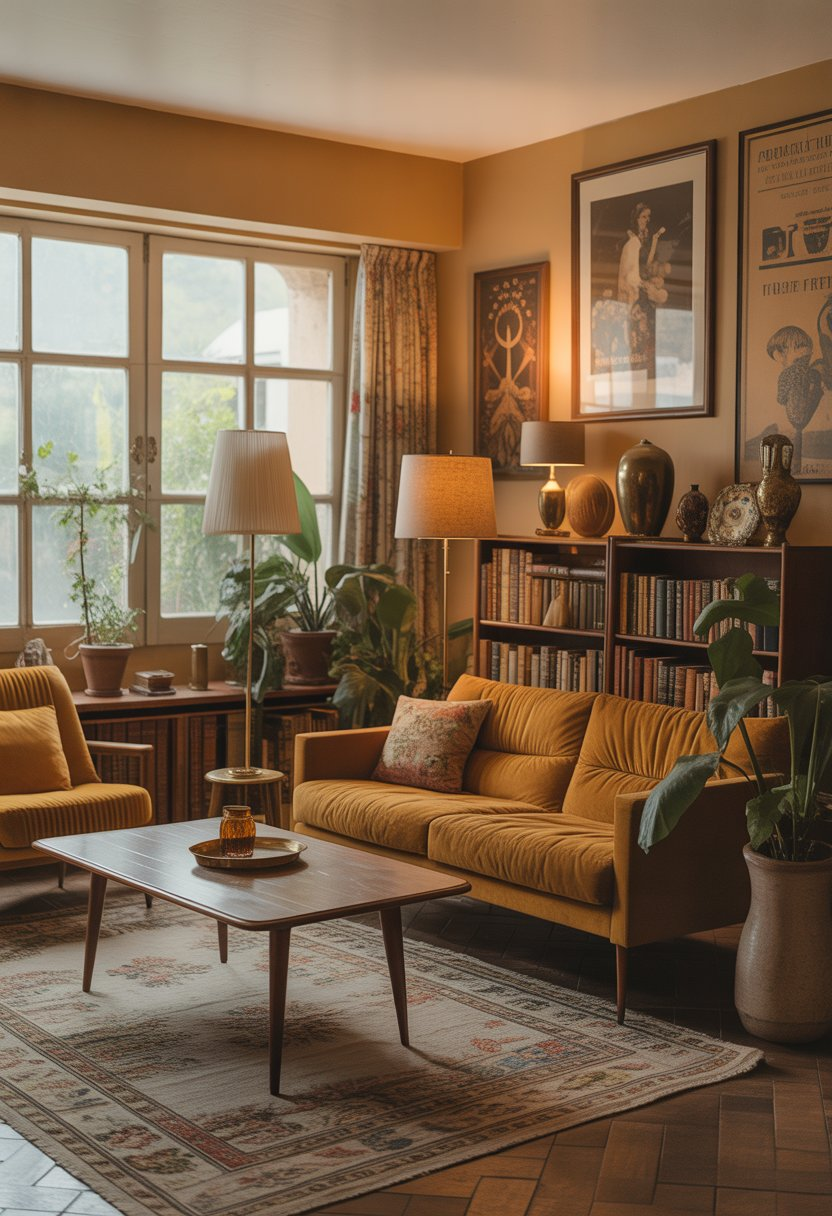
The French 70s look is all about capturing that retro vibe with warm colors and bold patterns but softened by French elegance. Think earthy tones like mustard yellow, burnt orange, and olive green paired with vintage furniture.
You’ll often see statement lighting, like funky pendant lamps or gold fixtures, that bring a little glamour. Patterned wallpaper or geometric rugs add visual interest without feeling too busy.
The style isn’t about clutter. You pick a few showy pieces that stand out but keep the rest of the room clean and inviting.
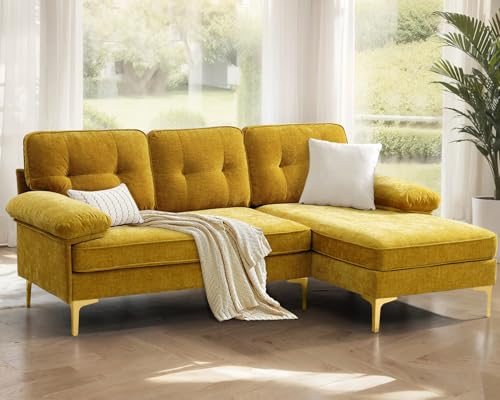


Embracing Classic French Interior Foundations
To add French charm, start with key classic features. Use ornate moldings or crown trim on the walls and ceilings. Dark wood furniture with carved details brings warmth and history.
Parquet floors or rustic tiles are perfect underfoot because they feel authentic and polished. Large mirrors with gilded frames, soft linen curtains, and gentle textures like velvet or silk add to the sophisticated look.
Keep the palette neutral with soft beiges, taupes, and greys to balance the brighter 70s colors. This helps your room feel calm and timeless.
Integrating French Country Style and Minimalist Design
French country style is cozy and relaxed, with natural elements like wood beams, stone, or wrought iron accents. You want simple furniture that looks handmade or slightly worn for an inviting feel.
At the same time, minimalist design keeps things from feeling crowded. Choose clean lines for furniture and limit decorative items to just a few favorite finds.
Bring in plants or fresh flowers for life and softness. You’ll get that calm, airy space where vintage and classic French styles mix easily with modern simplicity.
Iconic Furniture, Materials, and Colors
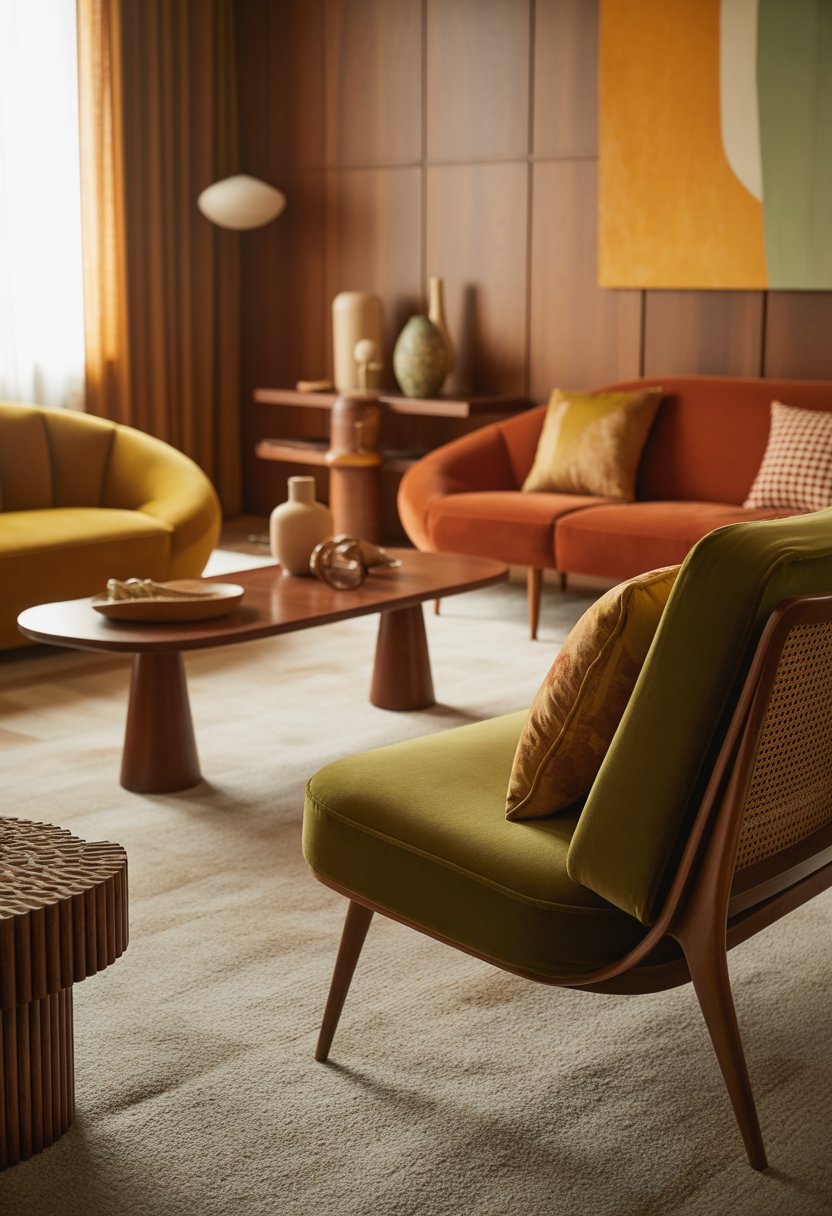
To get that French 70s vibe, you want to mix old with new and play with texture and color. Think curved shapes, bold colors, and natural materials. It’s all about balance between worn charm and sleek design.
Choosing and Mixing Antique Furniture
Start with some true antique pieces to give your room character. Look for carved wood chairs, buffets, or tables with detailed designs. These pieces add a warm, classic feel to your space.
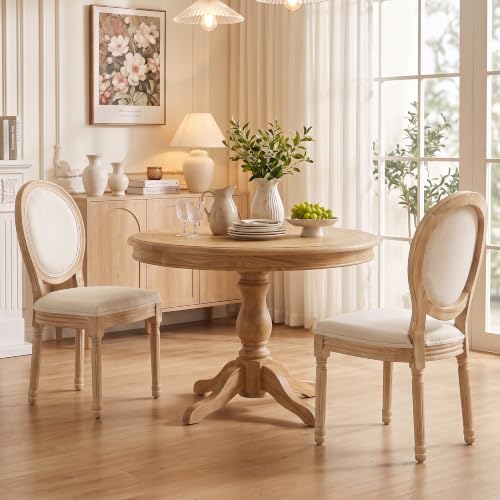


Mix antiques with simpler, smoother furniture from the 70s. This contrast helps the old and new stand out. For example, pair a wood-carved cabinet with a bright, curved chair in red or orange.
Try to keep a balanced mix. Too many antiques can feel heavy, but a few well chosen pieces add richness and history to your room.
Incorporating Shabby Chic and Distressed Pieces
Shabby chic works great with French 70s style. Pick furniture with worn paint, softly chipped edges, or faded finishes. These pieces create a relaxed, lived-in look.


Look for pastel colors like soft pinks, creams, and light blues on dressers, side tables, or mirrors. These muted tones soften the bold 70s vibe and add cozy charm.
You don’t need many shabby chic items. A few key distressed pieces sprinkled in keep your space interesting without feeling messy or overdone.
Blending Modern and Vintage French Touches
To keep things fresh, add some modern French design elements from the 70s. Chairs with smooth curves, like the Mushroom or Ribbon styles, work well here. These are often made of bright plastic or metal instead of wood.
Use solid bright colors like yellows, oranges, or reds on chairs or lamps. These colors pop and give your room that retro 70s feel.
Mixing these with vintage antiques or shabby chic pieces gives your space energy while still feeling cozy and unique. Use texture layers like soft rugs or smooth metals for depth.
Signature Décor and Styling Ideas
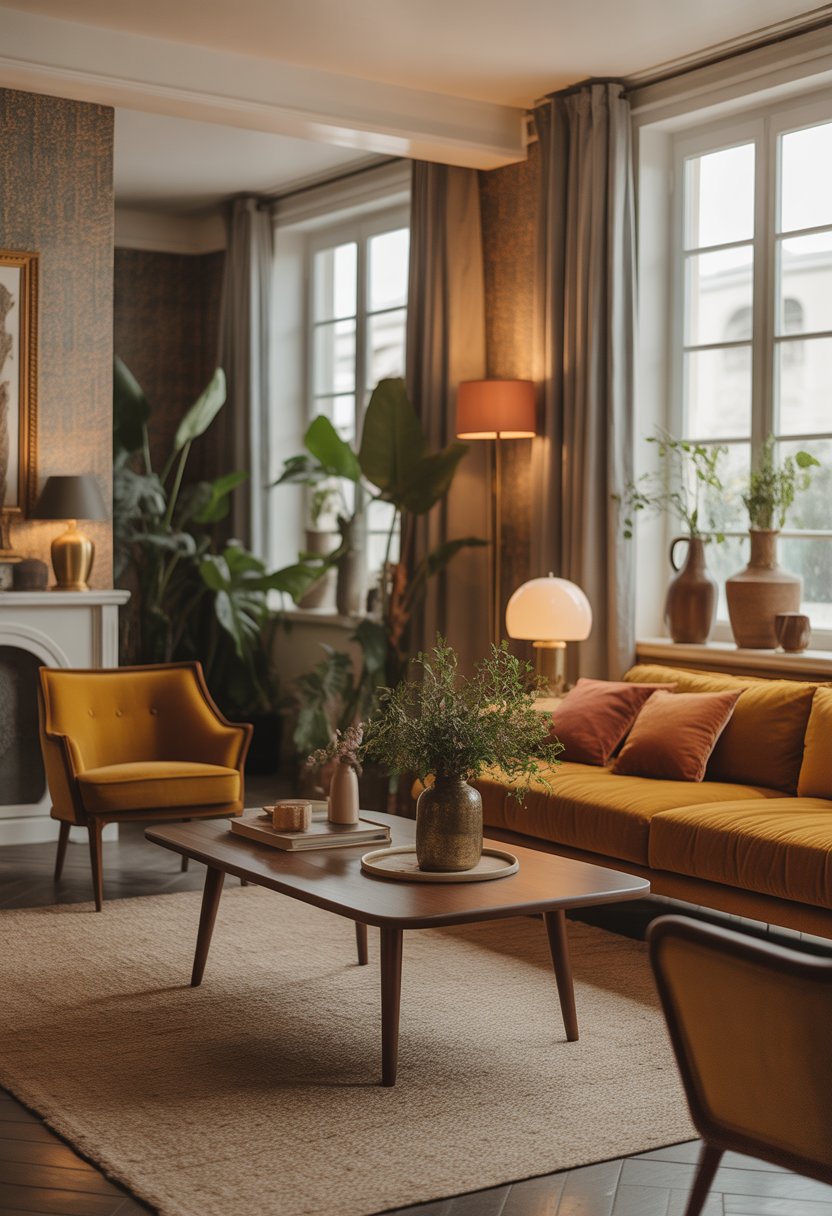
Your French 70s interior should feel warm and inviting with bold yet elegant choices. Focus on playful patterns, warm lighting, soft fabrics, and a touch of nature. Small details bring the style together and create a cozy vibe that still feels fresh.
Wallcoverings and Vintage Patterns
Start with walls that tell a story. Choose wallpaper or paint with vintage-inspired patterns like large florals, geometric shapes, or earthy swirls. Think mustard yellow, burnt orange, or olive green for true 70s colors.
If wallpaper feels too much, go for a single statement wall. Use textured paint or wood paneling for that retro French charm. Mixing classic French patterns like toile with psychedelic 70s prints can work if done sparingly.
Remember, the goal is to use patterns without overwhelming the space. Balance bold prints with solid, neutral walls to keep things easy on the eyes.
Lighting, Mirrors, and Statement Accessories
Lighting sets the mood. Choose warm, soft-glow lights with fixtures made from brass, rattan, or smoked glass.
Look for lamps with unique shapes like cone-shaped or orb-like shades. A lava lamp or spherical pendant light instantly adds 70s flair.
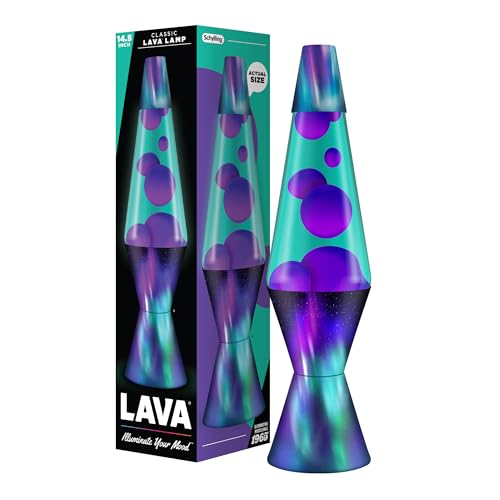


Mirrors with sunburst or ornate frames add depth and a vintage feel. Place them to reflect natural light and create openness.
Statement accessories include funky ceramic vases, sculptural candleholders, or retro clocks. Use these to add personality without cluttering the room.
Textiles, Rugs, and Layered Fabrics
Layer your space with rich, textured fabrics. Velvet and suede are classics for furniture like couches and chairs.
Add fuzzy or shaggy rugs in warm tones, plus throw pillows with bold patterns or earthy hues. Mix fabrics like linen, knit, and faux fur for a cozy, lived-in feel.
Use curtains made from heavier materials with slight sheens or geometric prints. These help keep the room intimate and stylish at the same time.
Layering is key let your textiles work together, matching colors but varying textures for a balanced look.
Greenery and Finishing Details
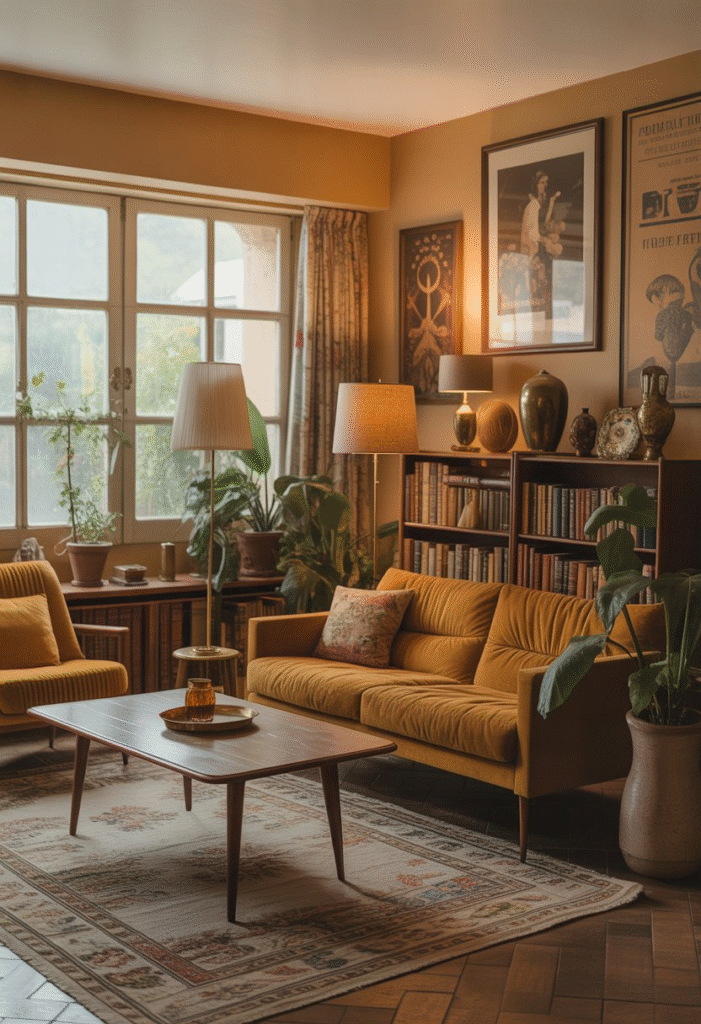
Plants bring life to French 70s interiors. Use large leafy plants like monsteras or ferns in woven baskets or ceramic pots.



Add smaller succulents on shelves or windowsills for variety. Greenery softens the bold colors and adds a natural contrast.
For finishing touches, go for rattan furniture pieces or a vintage-style lava lamp. Use brass or wooden accents on shelves and side tables.
Don’t forget framed retro art or quirky prints that tie into the 70s theme. These little details pull your room into the perfect mix of French style and 70s retro.