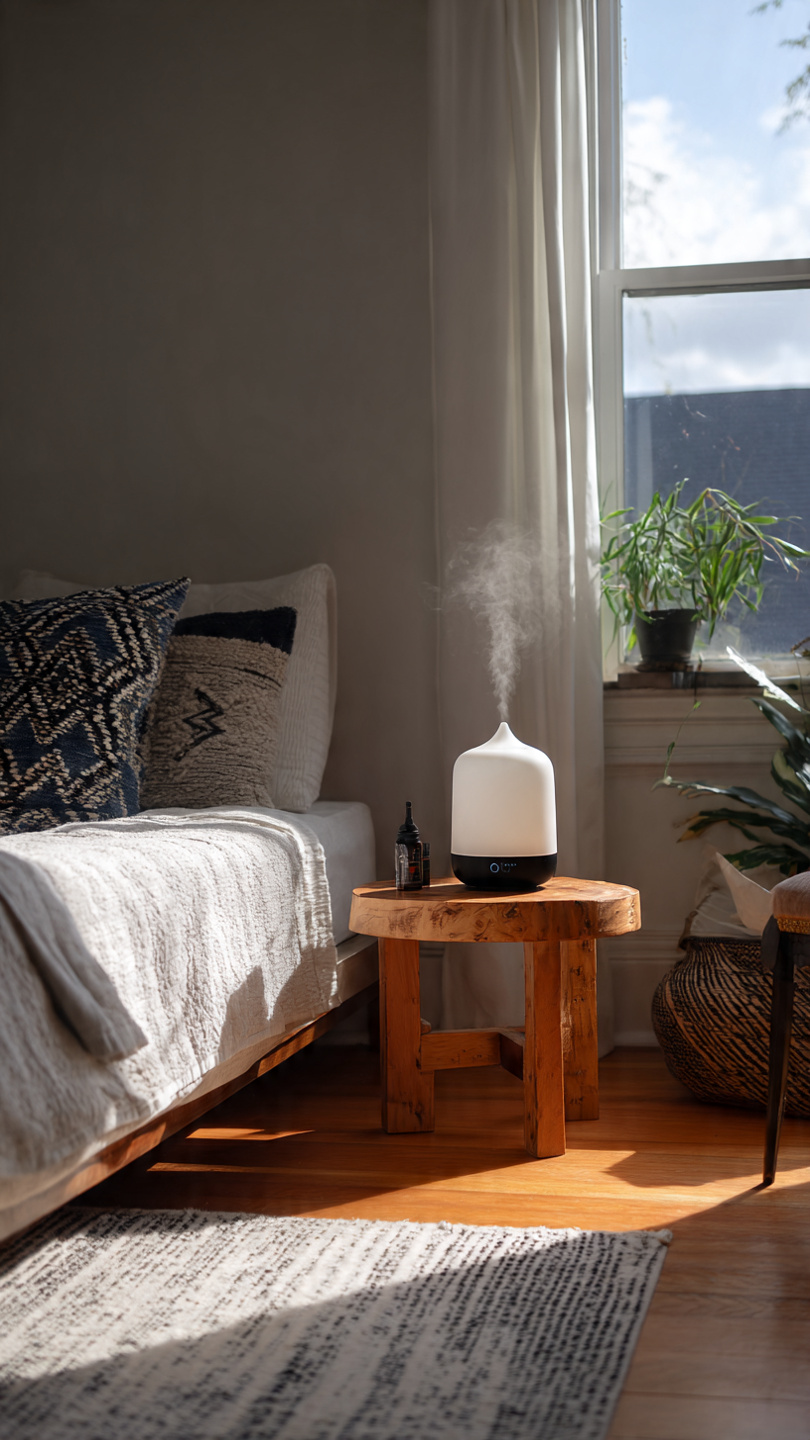
How to Create a Calm Room: Simple Steps to Build Your Personal Sanctuary
Life rarely slows down on its own, which is why having a calm, restorative space at home matters more than ever. A calm room gives your mind a place to unplug, reset, and breathe.
This post may contain affiliate links, which means I’ll receive a commission if you purchase through my link, at no extra cost to you. Please read full disclosure here.
The good news is, you don’t need a full renovation or designer budget to create one. With a few intentional choices in layout, lighting, and decor, any corner of your home can become a soothing retreat.
Clarify the Purpose of Your Calm Room
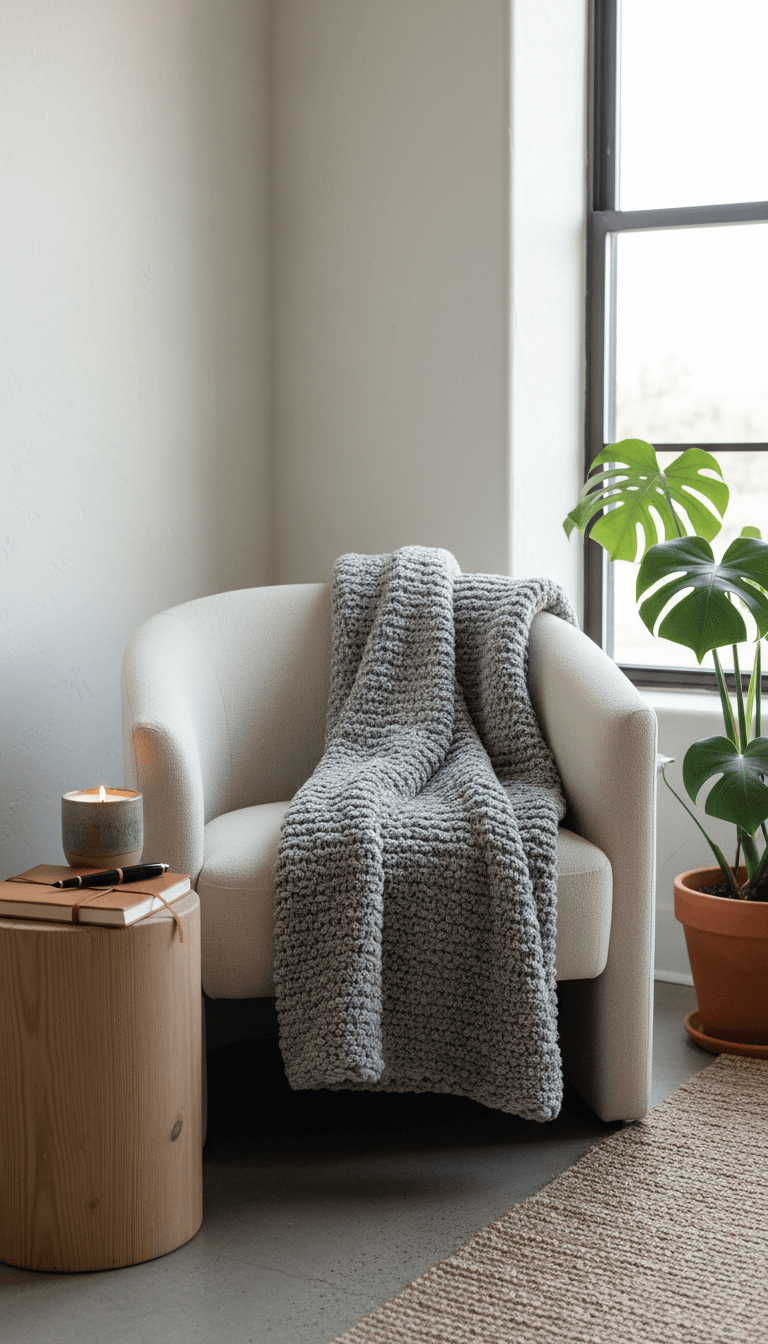
Before you move furniture or buy decor, decide what you want this space to do for you. A calm room can serve different purposes depending on your needs.
- A reading nook for quiet focus
- A meditation or prayer space
- A yoga or gentle stretching area
- A journaling and reflection corner
- A no-screens zone for deep rest
When you’re clear on the main purpose, every design decision becomes easier. You can choose what belongs in the room based on whether it supports that calm intention.
Action tip: Write one sentence that defines your calm room’s purpose and use it as your guiding filter for what stays and what goes.
Simplify and Declutter the Space
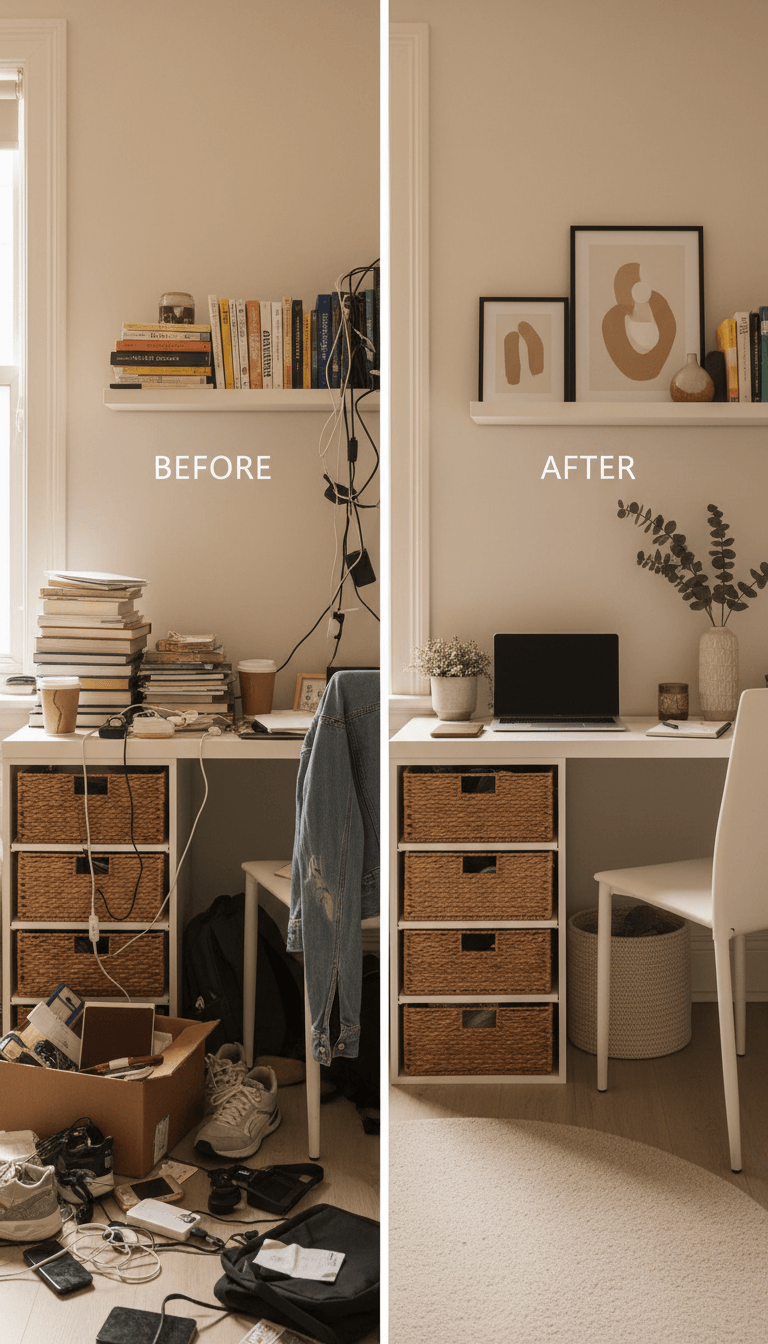
Visual clutter creates mental noise. To build a calm room, start by removing anything that doesn’t support rest, reflection, or gentle activity.
- Clear surfaces like desks, nightstands, and floors
- Remove work-related items (laptops, files, chargers)
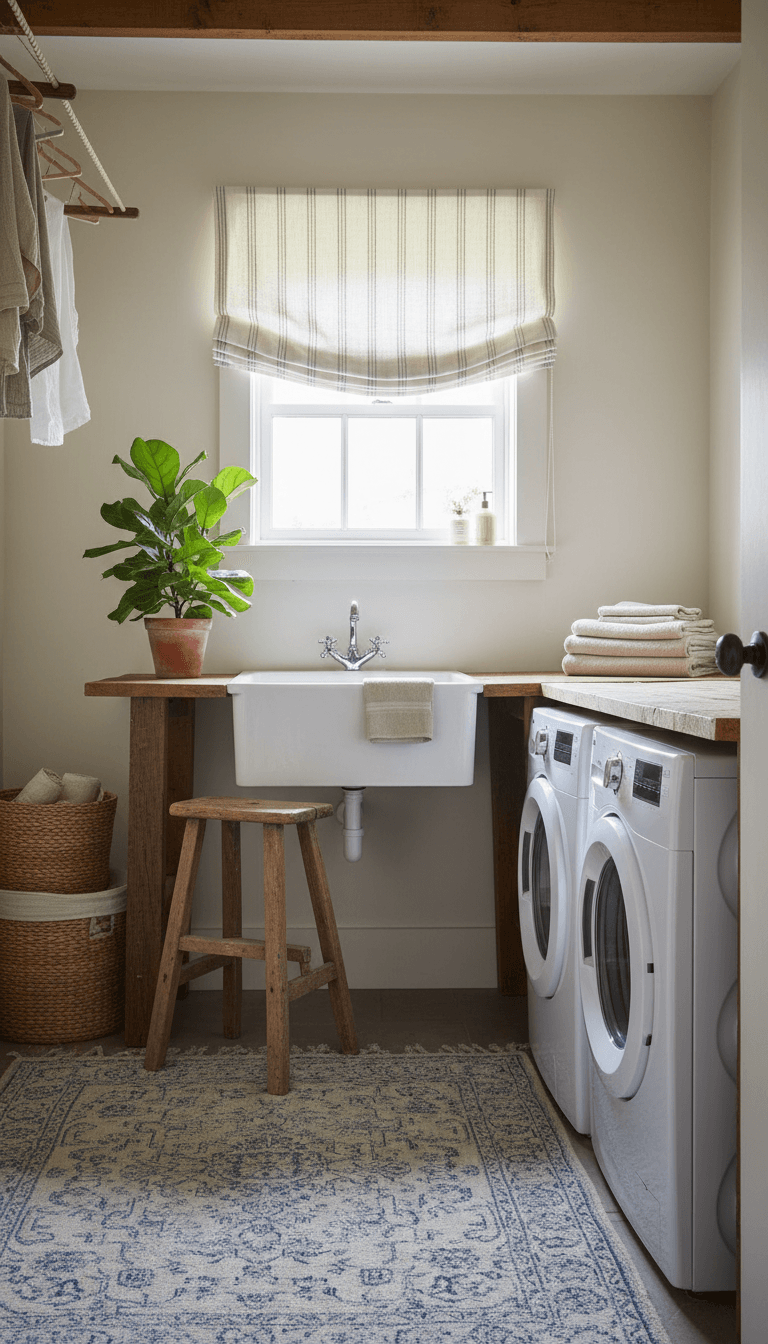
- Store away visual distractions like piles of mail or laundry
- Use baskets or boxes to hide essentials that need to stay
Aim for “just enough” items, not an empty, sterile space. Keep only objects that are useful or genuinely soothing to look at.
Action tip: Do a 15-minute sweep to remove five items that don’t belong in your calm room and move them to another area.
Use Calming Colors, Textures, and Lighting
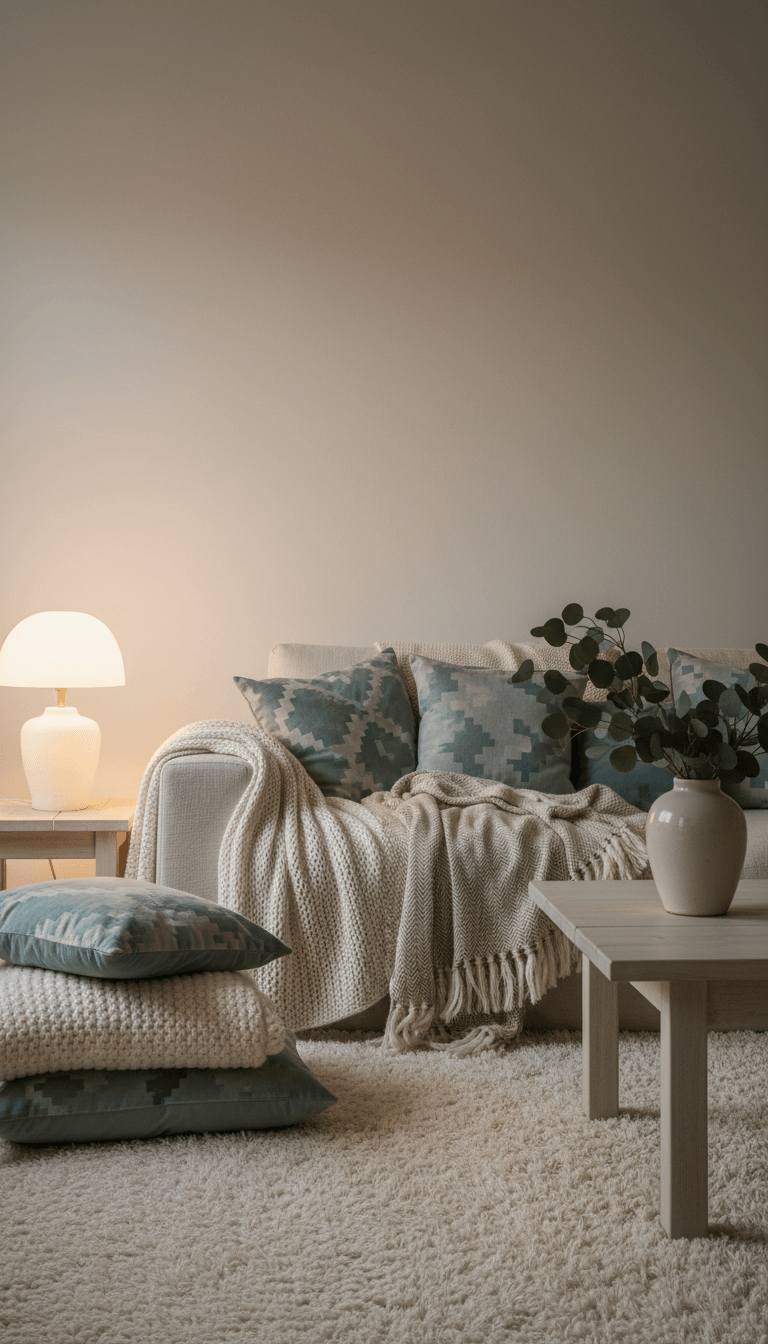
Your senses strongly influence how relaxed you feel in a space. Choose colors, textures, and lighting that help your body and mind soften.
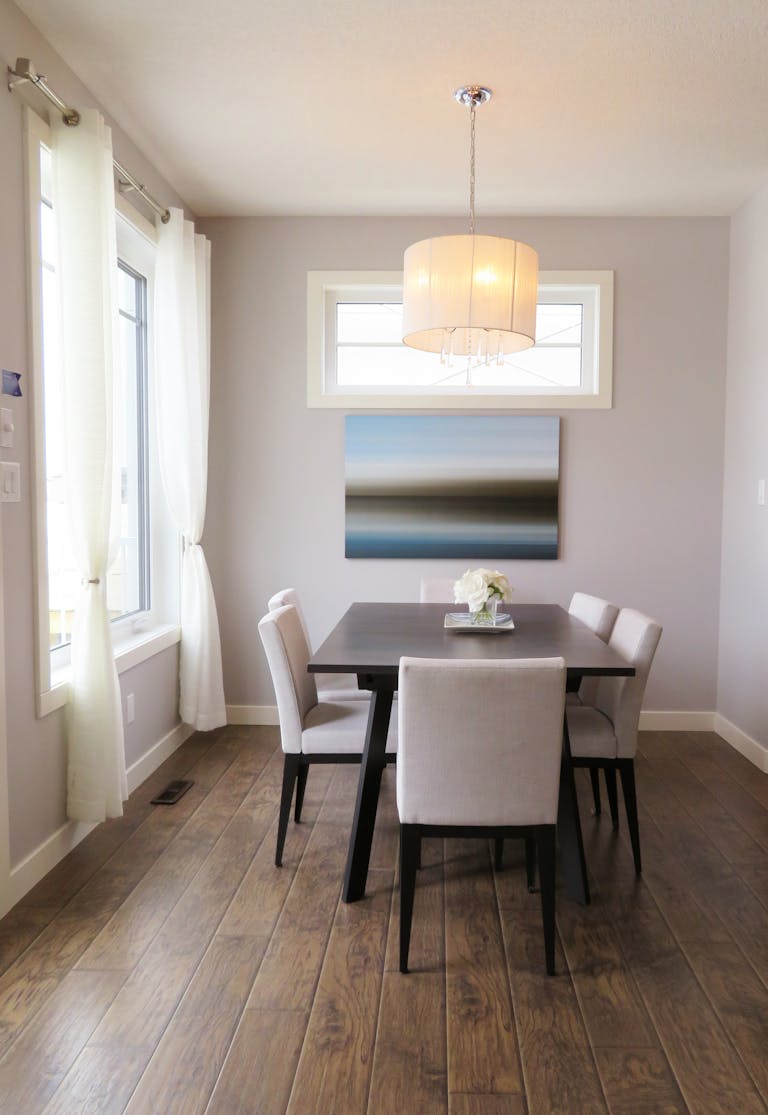
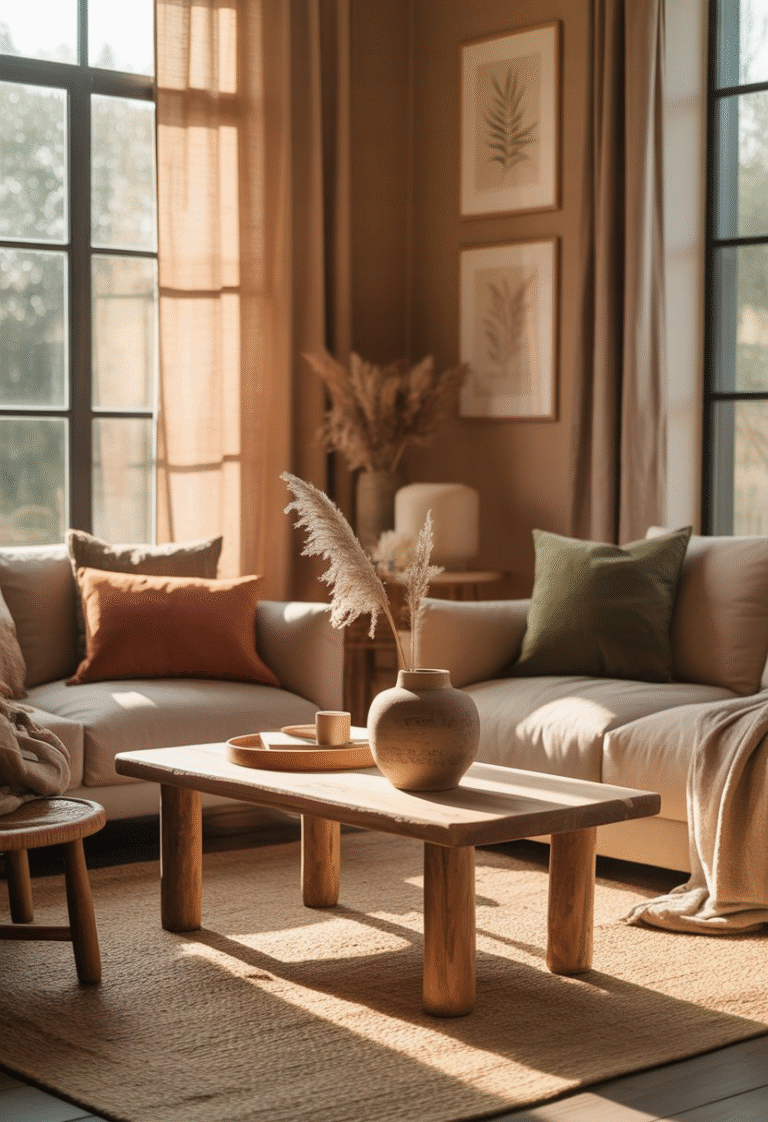
- Opt for soft, neutral, or nature-inspired colors (creams, blues, greens, warm grays)
- Add cozy textures like cotton throws, knit blankets, or soft rugs
- Swap harsh overhead lights for warm lamps or dimmable bulbs
- Use candles or string lights for a soft, ambient glow
Natural light is ideal, but not essential. The goal is to create a gentle, warm atmosphere that feels inviting at any time of day.
Action tip: Replace at least one bright, cool-toned bulb in your calm room with a warm, soft-white bulb or a small lamp.
Engage the Senses Intentionally
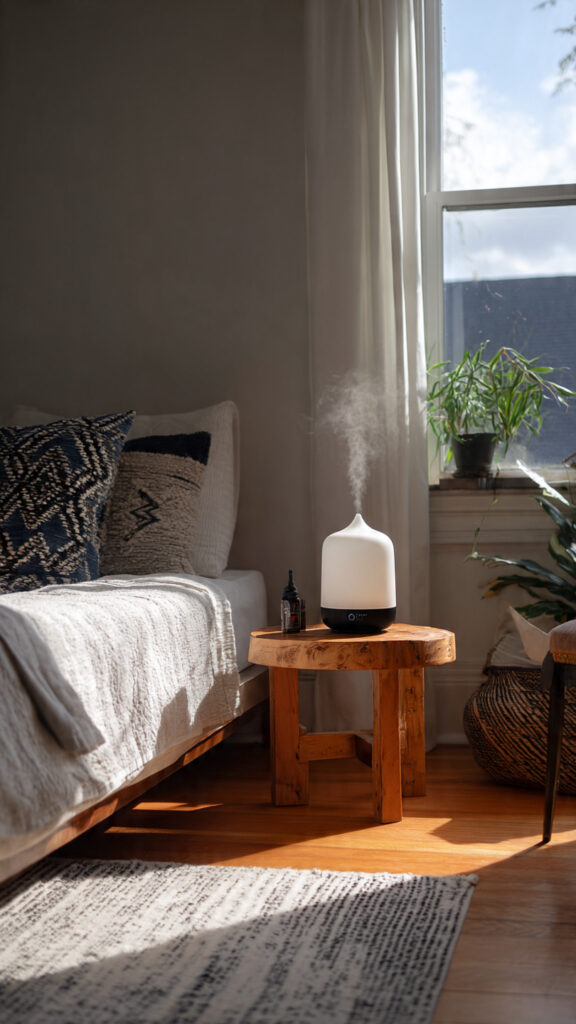
A true calm room supports all your senses in a gentle, intentional way. Instead of overstimulating you, it should quietly cue your body to relax.
- Scent: Use essential oil diffusers, incense, or unscented candles if you’re sensitive
- Sound: Add a small speaker for nature sounds, soft music, or white noise
- Touch: Include a soft blanket, cushion, or floor pillow for comfort
- Sight: Choose a few soothing visuals like plants, art, or a simple view
Avoid anything overly bright, loud, or busy. Subtle, consistent sensory details are more calming than strong, dramatic ones.
Action tip: Choose one sense to upgrade today (like adding a plant, a soft blanket, or a peaceful playlist) and notice how it changes the mood of the room.
Create Simple Rituals and Boundaries
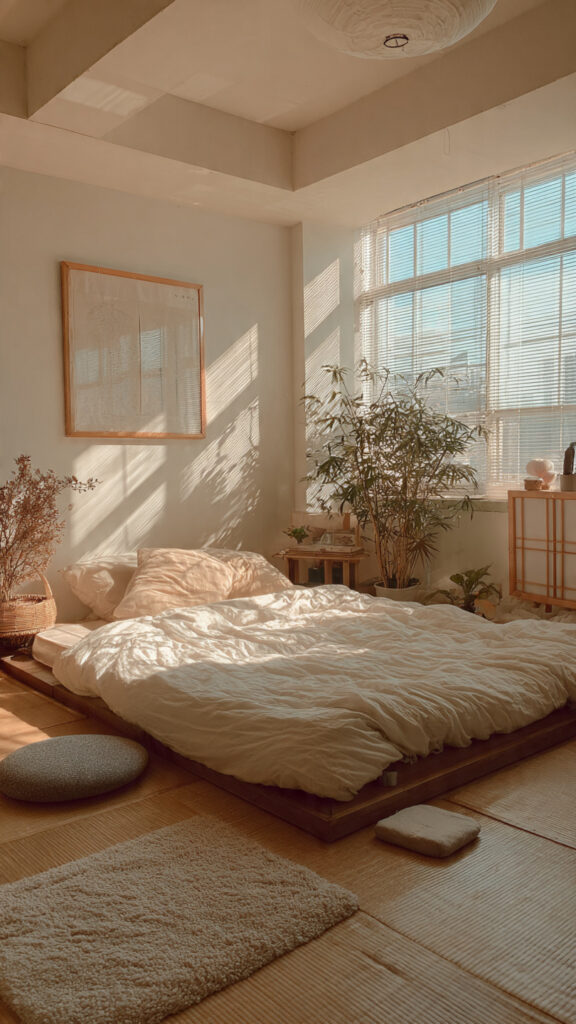
Even the most beautiful calm room won’t help if it becomes just another busy space. Rituals and boundaries turn the room into a true sanctuary.
- Set a “no work” rule for the room (no laptops, work calls, or emails)
- Choose a simple daily ritual like 10 minutes of reading, stretching, or breathing
- Keep your calm tools handy (journal, yoga mat, eye mask, favorite book)
- Let family or housemates know this is a quiet, respectful space
Consistency matters more than perfection. Visiting your calm room regularly trains your brain to associate it with rest and restoration.
Action tip: Decide on one small daily ritual you’ll do in your calm room and schedule it at a specific time for the next week.
Conclusion
A calm room doesn’t have to be large, expensive, or perfectly styled to make a real difference in your daily life. What matters most is that it feels intentional, uncluttered, and aligned with how you want to feel.
By clarifying the room’s purpose, simplifying your belongings, softening the lighting and textures, engaging the senses gently, and creating simple rituals, you’ll build a sanctuary that supports you every day. Start small, adjust as you go, and let this space slowly become the quiet heart of your home.