The Ultimate Guide to Creating a Somatic Healing Environment That Will Instantly Soothe Your Nervous System
Your home can either amplify your stress or gently melt it away. Somatic healing is all about working with the body, the senses, and the nervous system to release tension and feel grounded again.
This post may contain affiliate links, which means I’ll receive a commission if you purchase through my link, at no extra cost to you. Please read full disclosure here.
When you bring somatic principles into your living space, every room can become a subtle invitation to breathe deeper, move more freely, and actually feel at home in your own body.
You don’t need a huge budget or a full renovation. With a few intentional shifts, you can create a somatic healing environment that supports calm, regulation, and genuine emotional rest every single day.
If you like this post be sure to check out this post too. How to Create a Peaceful Place in Your Bedroom for Somatic Healing
Understand the Somatic Healing Basics Before You Redecorate
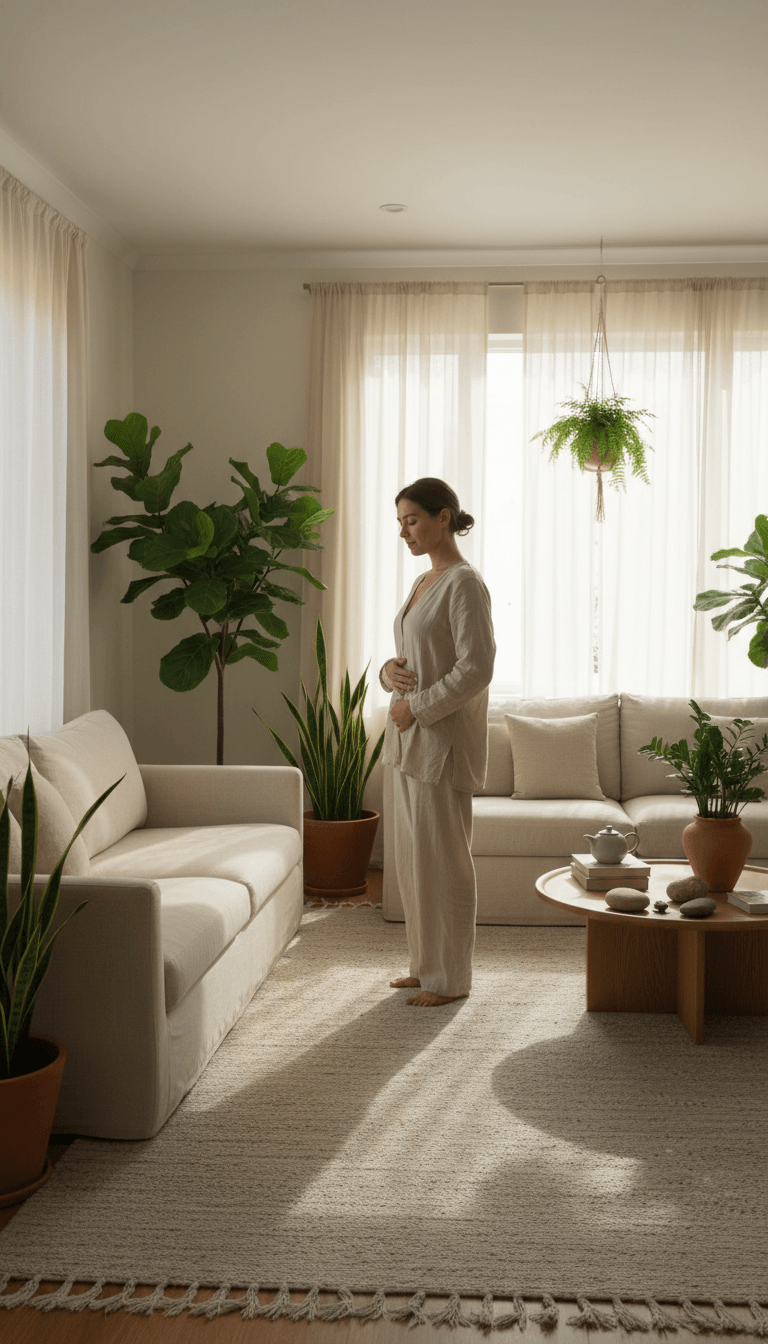


Before changing your space, it helps to understand what your body actually needs to feel safe and regulated. Somatic healing focuses on how your environment affects your nervous system, posture, breath, and sense of safety.
At its core, a somatic-friendly home should:
- Help you feel grounded instead of scattered
- Invite gentle movement instead of stiffness and tension
- Support slower breathing and easier relaxation
- Offer a sense of safety, warmth, and predictability
Start by noticing how you currently feel in different rooms. Where do your shoulders tense? Where do you unconsciously hold your breath? Which spaces feel draining versus nourishing?
Action tip: Walk through your home and rate each room from 1–10 on how calm and settled your body feels there. Use this as your starting roadmap for change.
Craft a Nervous-System-Friendly Atmosphere With Light, Color, and Sound
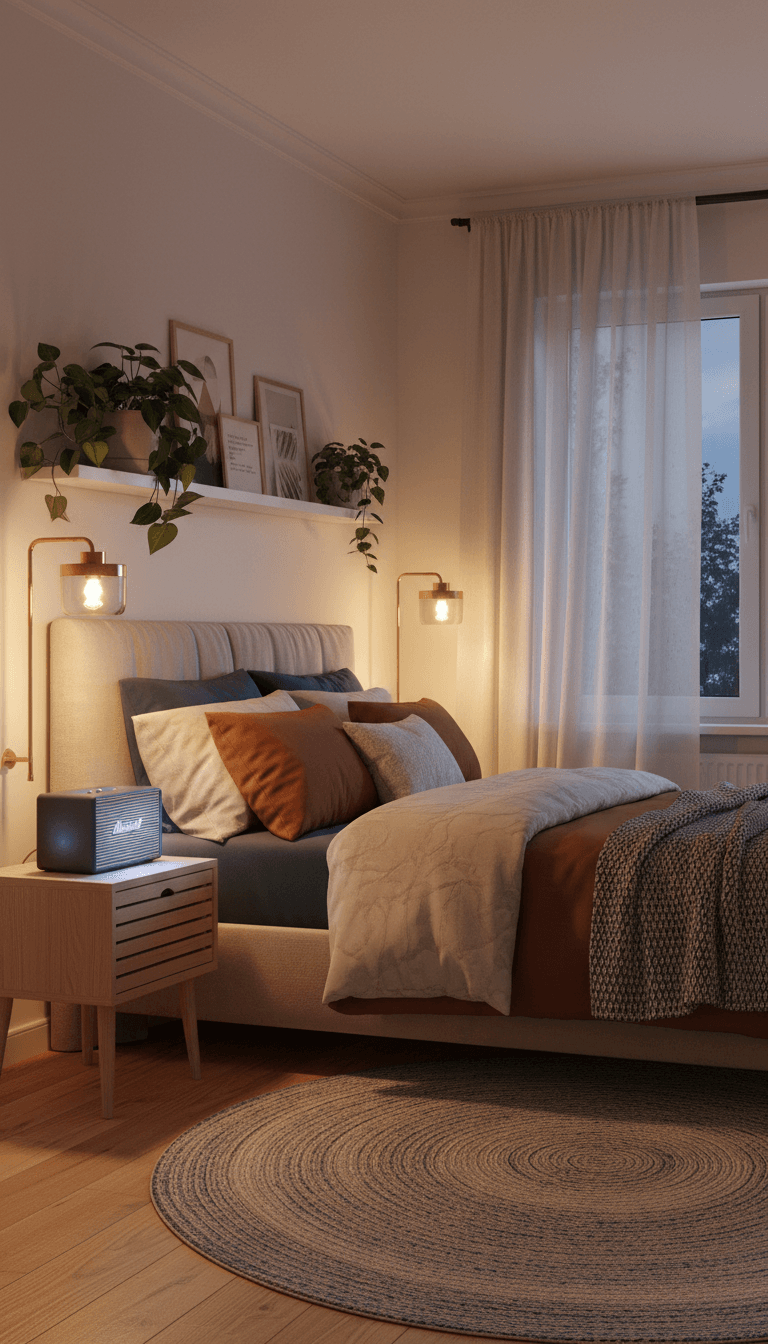


Your nervous system is constantly responding to what it sees and hears, even when you think you’re tuned out. Lighting, color, and sound can either keep your body on high alert or invite it to soften.
To make your environment more somatic-healing-friendly, focus on:
- Light: Use warm, soft lighting instead of harsh overheads; add lamps, candles, and dimmers where possible
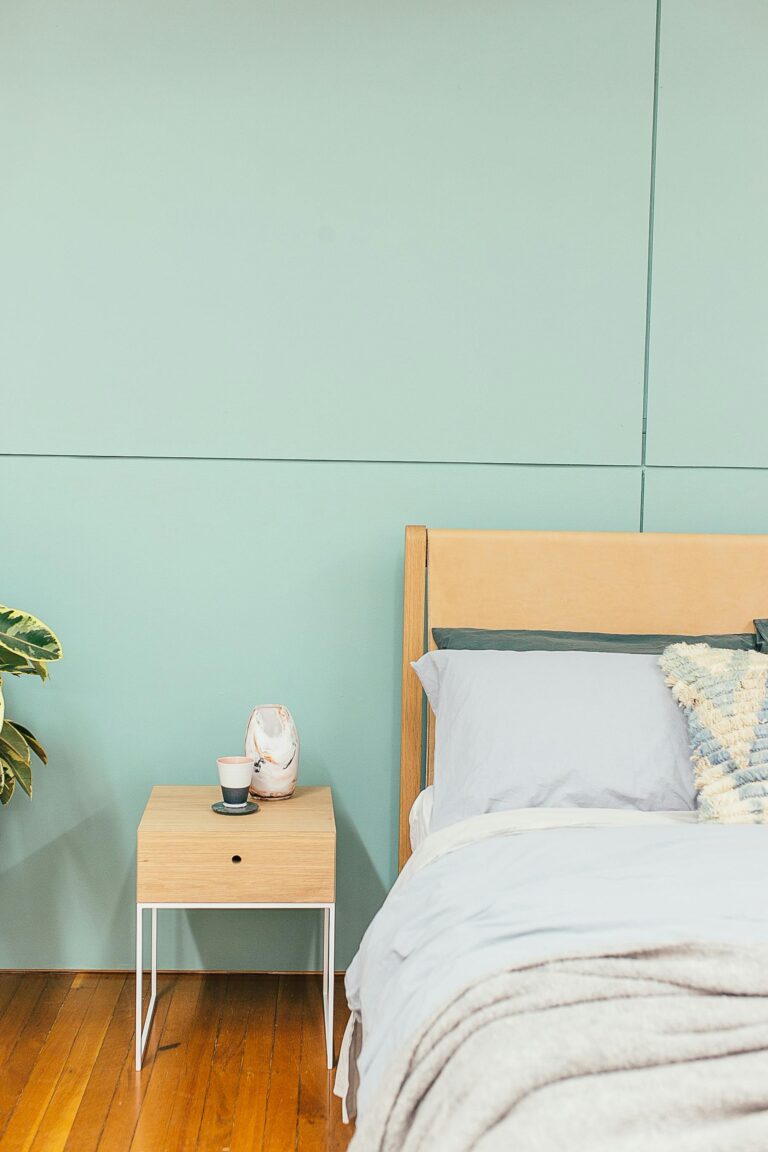
- Color: Choose calming tones like soft greens, blues, earth tones, and warm neutrals for walls, textiles, or accents
- Sound: Reduce sharp, jarring noises and layer in gentle sound like white noise, soft music, or nature tracks
- Visual clutter: Limit busy patterns and overloaded surfaces that overwhelm your senses
Even small tweaks like changing light bulbs or playing gentle background sounds can dramatically change how your body feels in a room.
Action tip: Choose one key room and create a “soothing sensory trio” today: a warm light source, a calming playlist or sound, and one grounding color you repeat in textiles or decor.


![Touch Bedside Table LED Lamp, [Sleek Design & RGB Mode]](https://m.media-amazon.com/images/I/31HBCOIqHyL._SL500_.jpg)
Design Somatic Zones for Rest, Movement, and Emotional Release
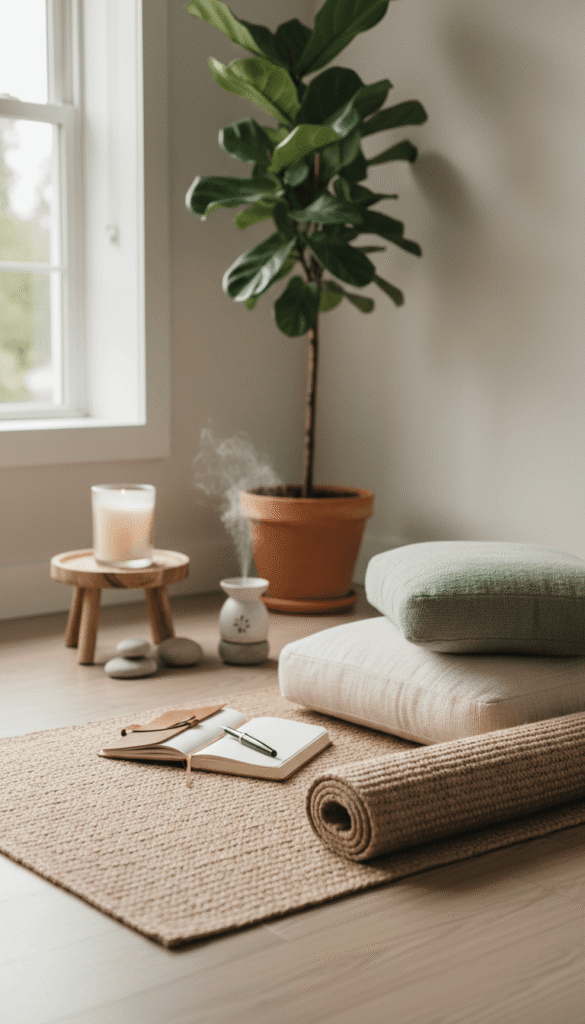
Somatic healing thrives when your home gives you clear invitations: a place to rest, a place to move, a place to reset. You don’t need a big house for this, just a few intentional zones.
Consider creating:
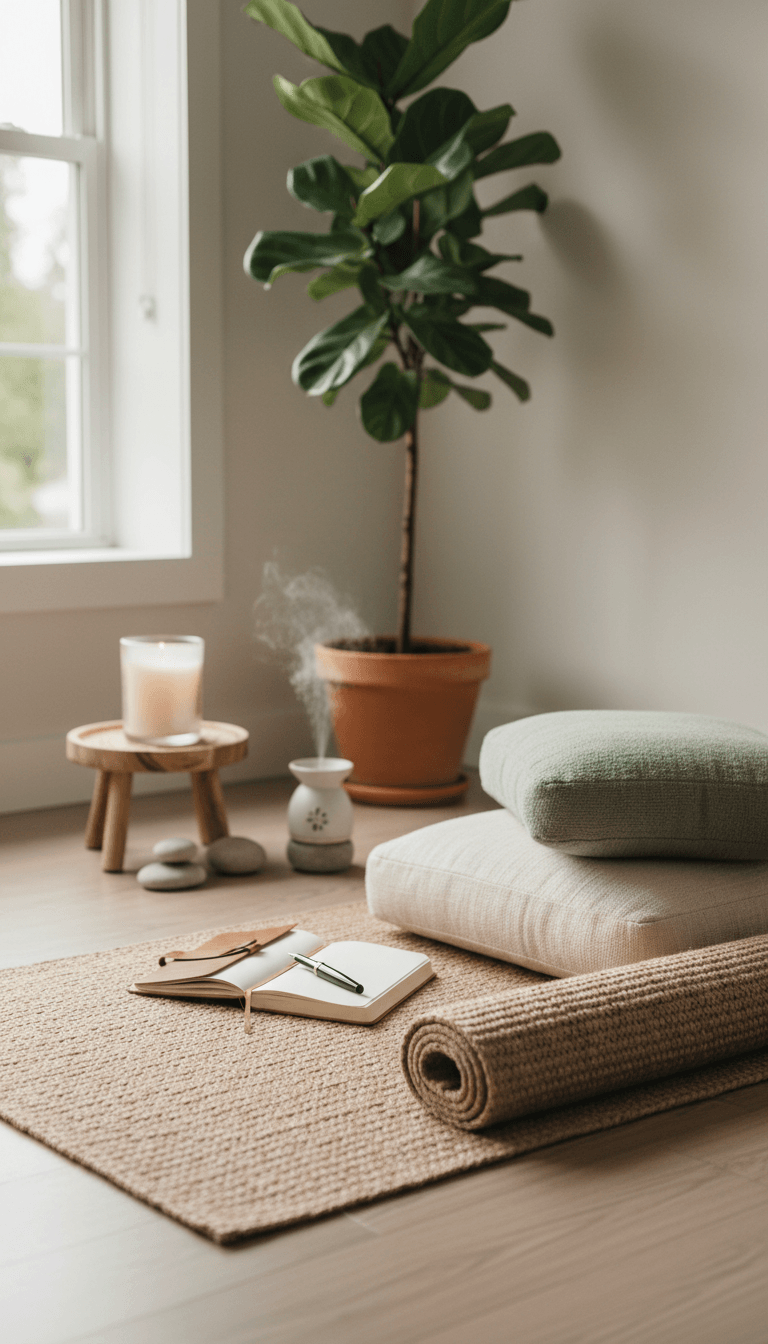
- A rest zone: A chair, cushions, or a corner with blankets where you can lie down, breathe, or do body scans
- A movement zone: A small area with a yoga mat, foam roller, or soft rug for stretching, shaking, or mindful movement
- A release zone: A spot with a journal, tissues, and maybe a weighted pillow where you can process emotions safely
These zones signal to your nervous system that it’s okay to slow down, discharge tension, and reset. Over time, your body will start to associate these spots with safety and relief.
Action tip: Pick one corner of a room and turn it into a dedicated somatic nook today with just three items: a soft surface (mat or cushions), a calming object (candle, plant, or stone), and a supportive tool (journal, bolster, or foam roller).


Choose Textures, Scents, and Objects That Gently Ground Your Body
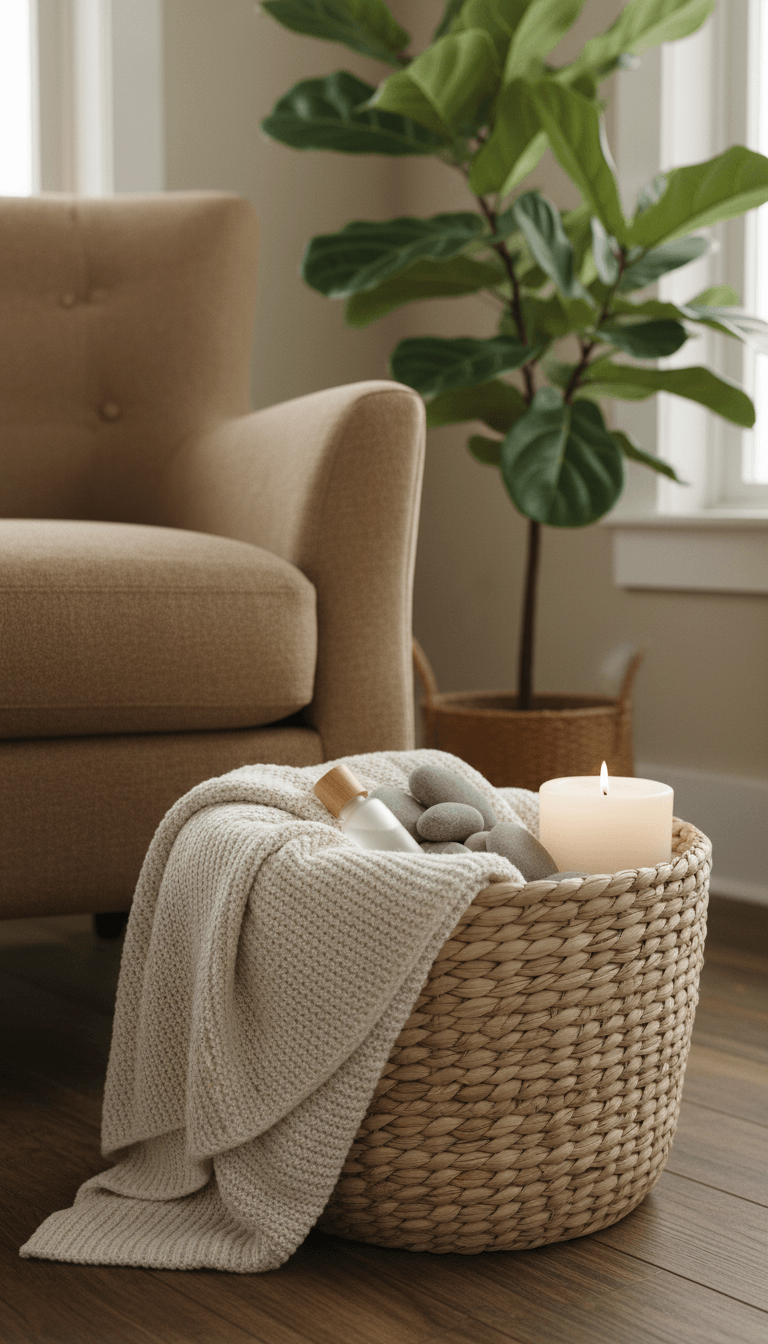
Somatic healing is deeply sensory. The textures you touch, the scents you breathe in, and the objects you interact with can all help anchor you back into your body.
Look for grounding sensory elements such as:
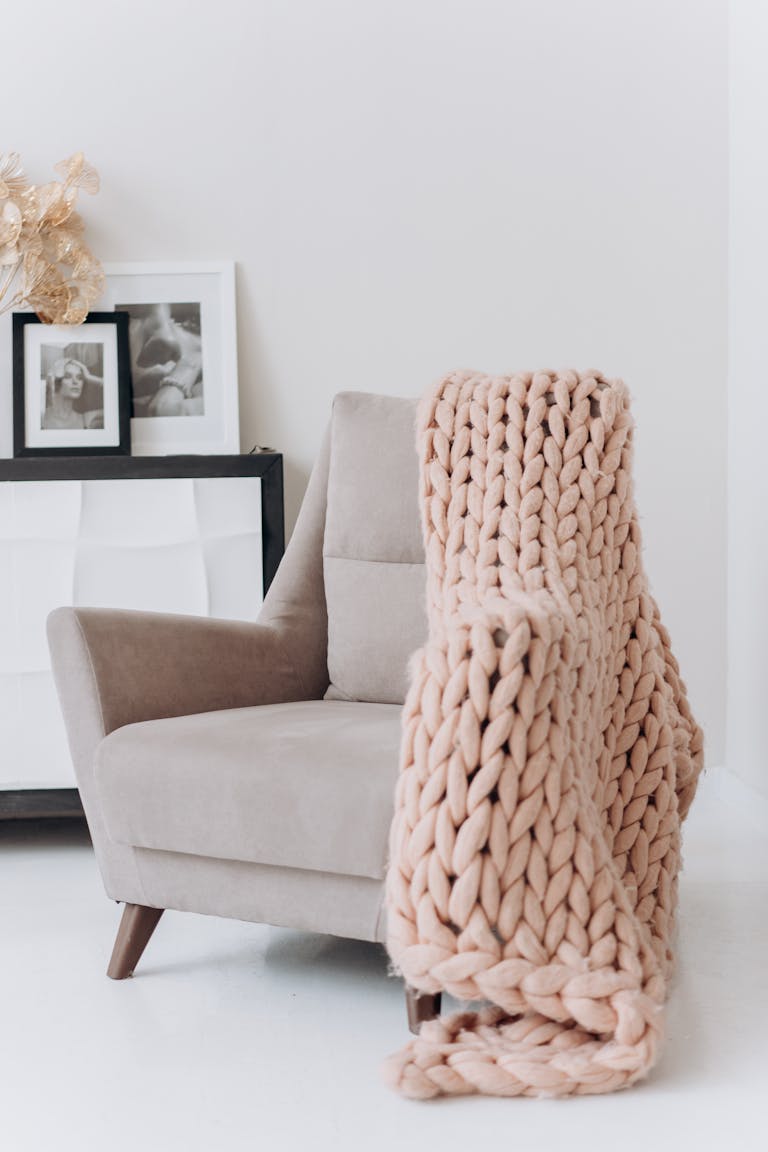
- Textures: Soft blankets, knitted throws, natural fibers, sheepskins, or smooth stones you can hold
- Scents: Essential oils like lavender, cedarwood, chamomile, or bergamot in diffusers or sprays
- Grounding objects: Weighted blankets, meditation cushions, fidget stones, or a grounding “anchor” object you hold when stressed
- Nature elements: Plants, wooden furniture, shells, or bowls of stones to bring in earthy stability
Aim for a mix of a few steady, repeating sensory anchors throughout your home so your nervous system recognizes them as cues for safety and calm.


Action tip: Create a small “grounding basket” with a soft blanket, a calming scent, and one or two tactile objects you can reach for whenever your body feels overloaded.
Clear Emotional Clutter and Build Daily Somatic Rituals
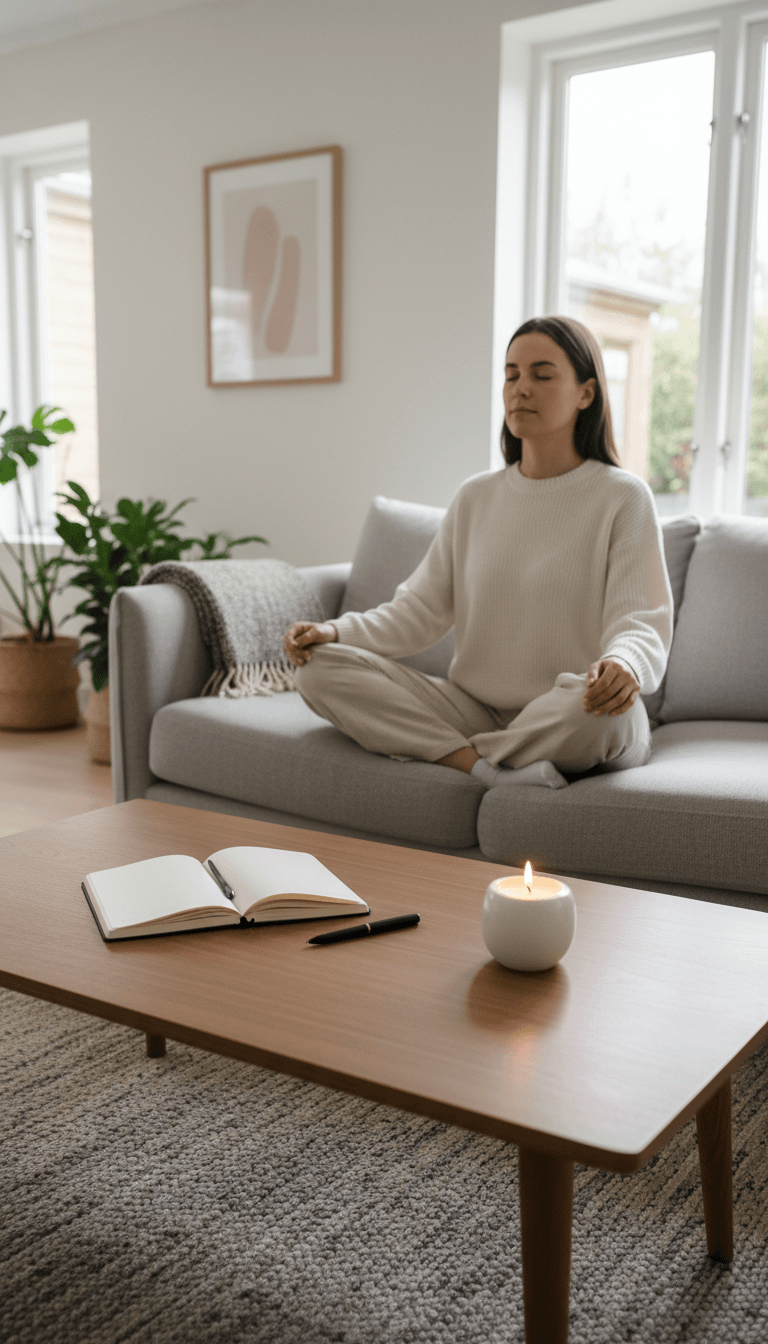
A somatic healing space isn’t just about adding nice things, it’s also about removing what keeps your body on edge. Emotional clutter often hides in physical clutter, unfinished projects, and objects tied to stressful memories.
To support deeper regulation, try:
- Decluttering slowly: Start with one surface or drawer, releasing items that bring up tension or obligation
- Creating visual calm: Leave at least one clear surface in each room to let your eyes and brain rest
- Setting tiny daily rituals: 5 minutes of stretching in your movement zone or 3 minutes of breathing in your rest nook
- Linking rituals to transitions: A quick somatic check-in when you wake up, before meals, or before bed
Stability and repetition are powerful for the nervous system. Your home becomes healing when it consistently offers predictable, comforting experiences to your body.
Action tip: Choose one micro-ritual you can do in the same spot every day, for example, 5 slow breaths in your favorite chair, and commit to trying it for the next 7 days.


Conclusion
Creating a somatic healing environment in your home isn’t about perfection or expensive decor. It’s about listening to your body and shaping your space so your nervous system can finally exhale.
With supportive light, calming colors, clear zones for rest and movement, grounding sensory elements, and simple daily rituals, your home can become a sanctuary that gently invites you back to yourself.

Start small, choose one room or one corner, and let your space evolve as you do. Over time, you’ll notice that being at home doesn’t just look good, it actually feels like a deep, embodied sigh of relief.