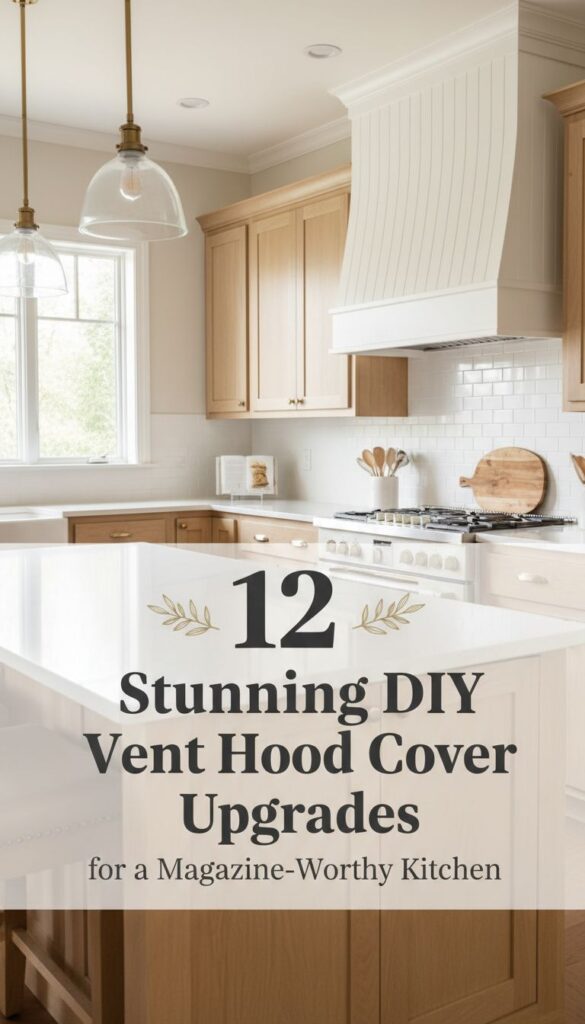
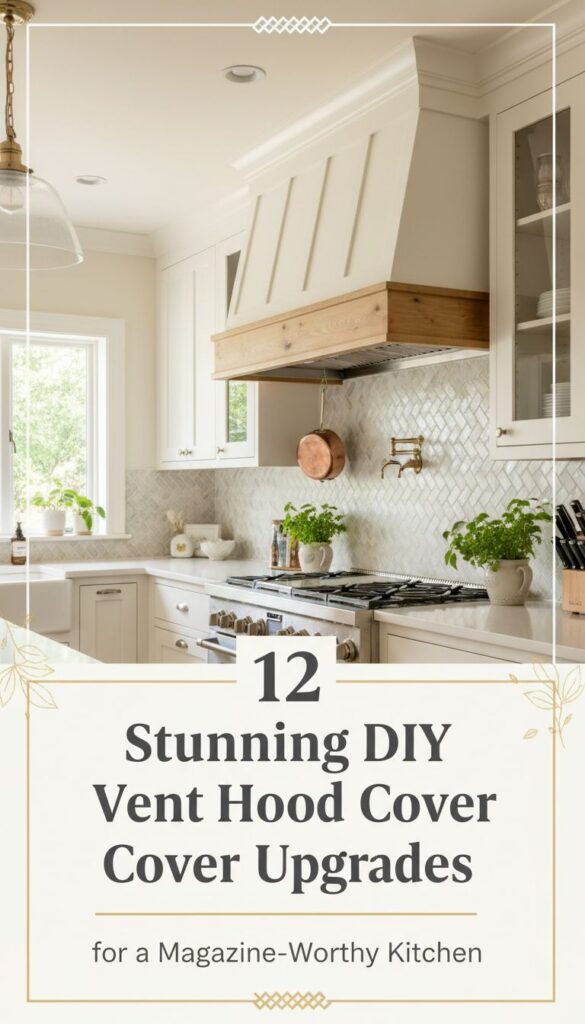
12 Stunning DIY Vent Hood Cover Upgrades for a Magazine-Worthy Kitchen
A basic metal vent hood can make even a beautiful kitchen feel unfinished. The good news? With a little creativity, you can turn that eyesore into a show-stopping focal point.
This post may contain affiliate links, which means I’ll receive a commission if you purchase through my link, at no extra cost to you. Please read full disclosure here.
These DIY vent hood cover ideas range from rustic to ultra-modern, with smart storage, shelving, and paint tricks along the way. Pick the style that fits your home, your budget, and your skill level, and get ready for a kitchen that finally looks pulled together.
Rustic Farmhouse Shiplap Hood Cover
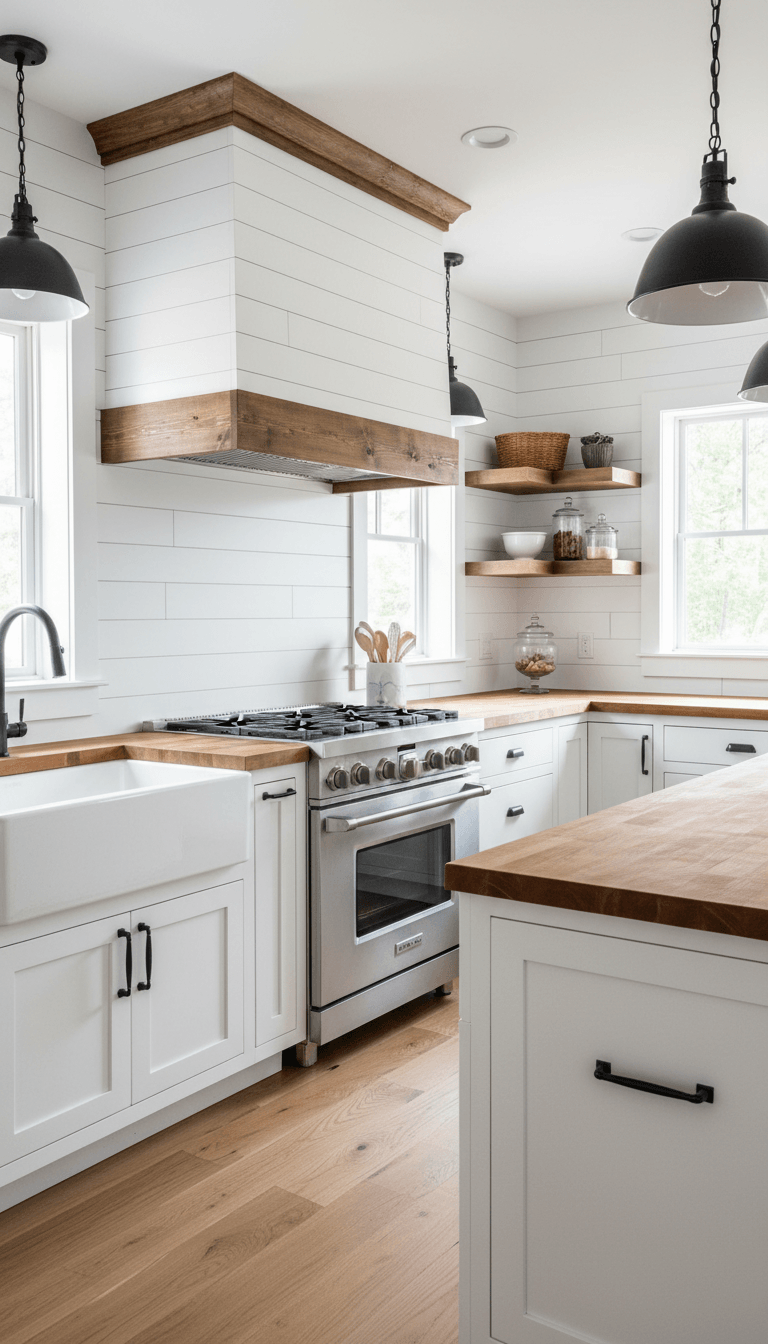


Farmhouse lovers, this one’s for you. A simple shiplap hood cover instantly adds warmth, texture, and charm over a standard vent.
- Use 1×4 or 1×6 boards for the shiplap face
- Paint in warm white or soft greige for that cozy farmhouse look
- Add a chunky stained wood trim at the bottom for contrast
Keep the lines simple and let the texture do the talking. This style works especially well with butcher block counters and black hardware.
Action tip: Test a few white paint samples directly on your shiplap boards to see how they look in your kitchen’s natural light before committing.
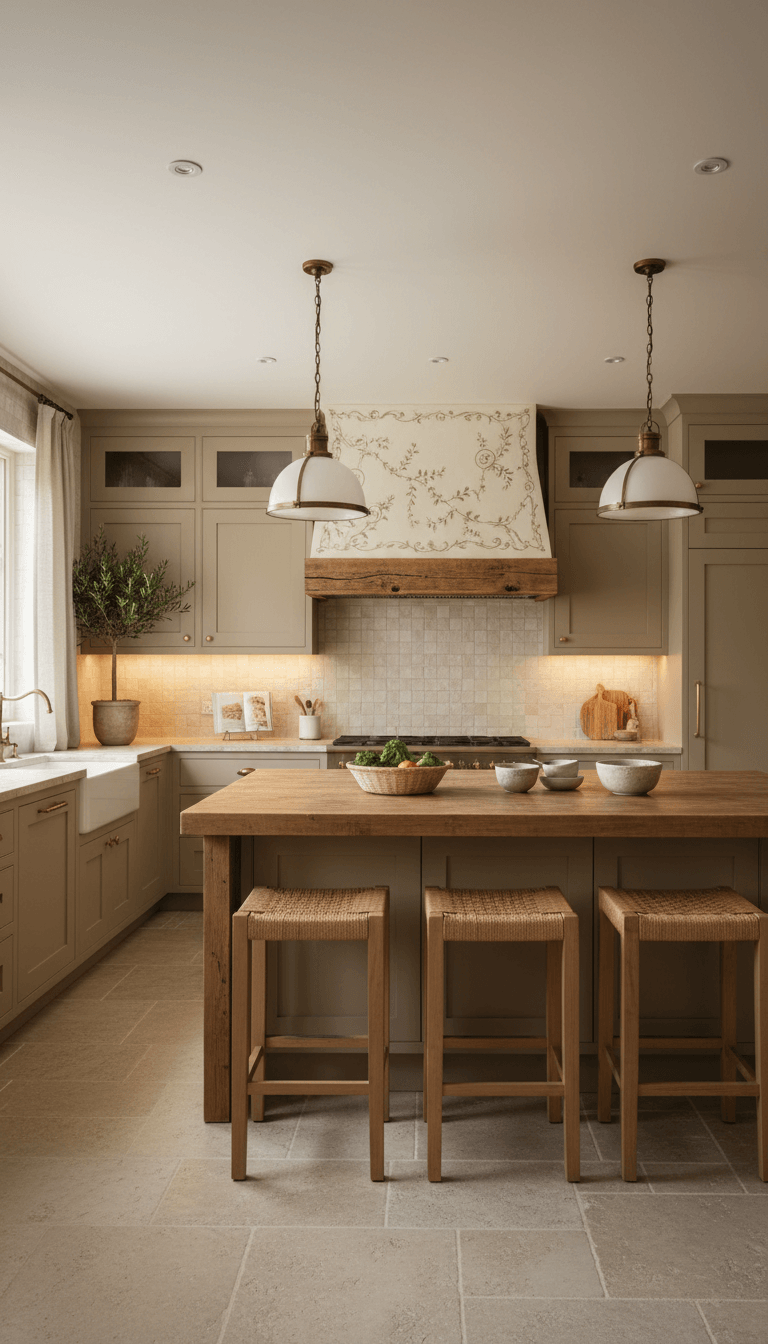
French Country Curved Hood With Crown Molding
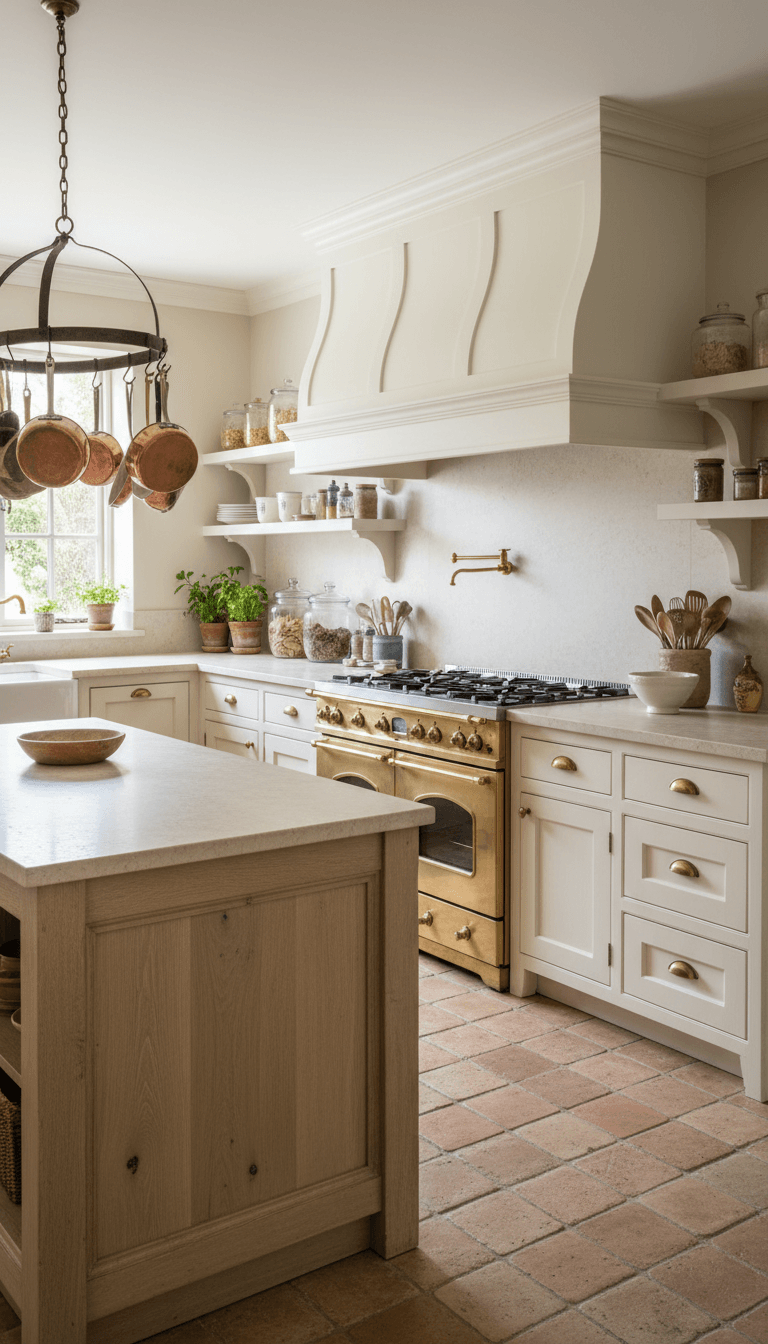


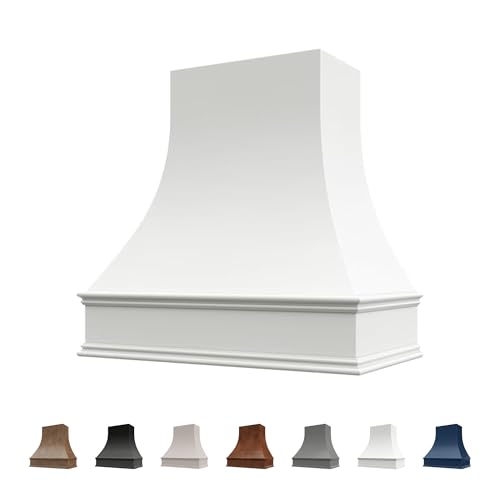
For a softer, romantic vibe, build a gently curved hood cover finished with elegant crown molding. Think French cottage meets vintage Parisian bistro.
- Create a curved frame with flexible plywood or thin MDF
- Add decorative molding at the top and bottom
- Finish in creamy off-white with subtle distressing
Pair this with brass or brushed gold accents and traditional cabinet profiles for a cohesive look. The curves help break up a wall of straight cabinet lines.
Action tip: Use wood filler and fine-grit sanding between paint coats to keep the curves looking smooth and high-end.
Minimalist Boxed-In Hood in Matte White
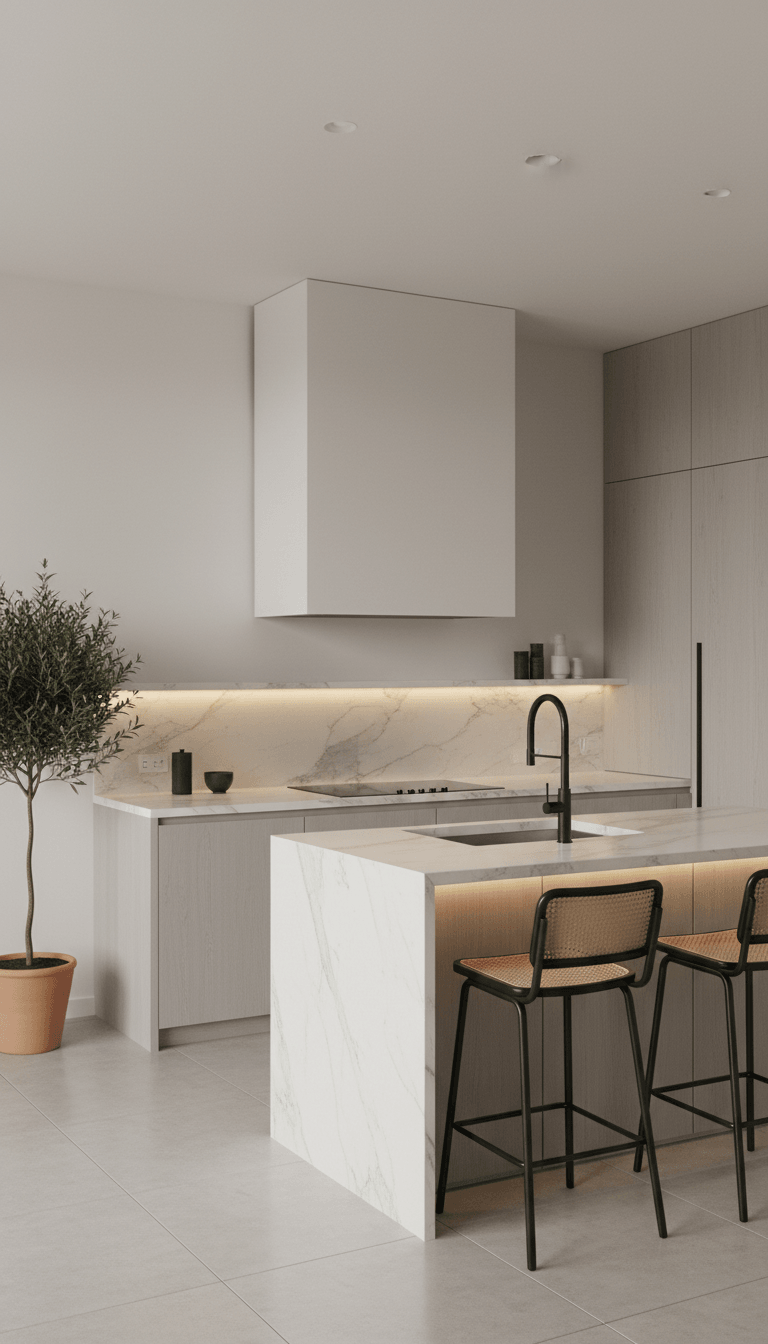
If you love clean lines and a clutter-free look, a minimalist box hood is incredibly chic and surprisingly simple to build. It disappears and makes your backsplash the star.
- Build a straight, flat box that fully encloses the vent
- Use MDF or plywood with perfectly squared edges
- Paint it matte white or match it to your wall color
Skip decorative trim and keep the proportions slim and elegant. This style works beautifully in small kitchens because it doesn’t visually overwhelm the space.
Action tip: Use a high-quality primer and a fine foam roller to achieve a super-smooth, modern paint finish with no roller lines.
Built-In Hood With Hidden Spice Storage
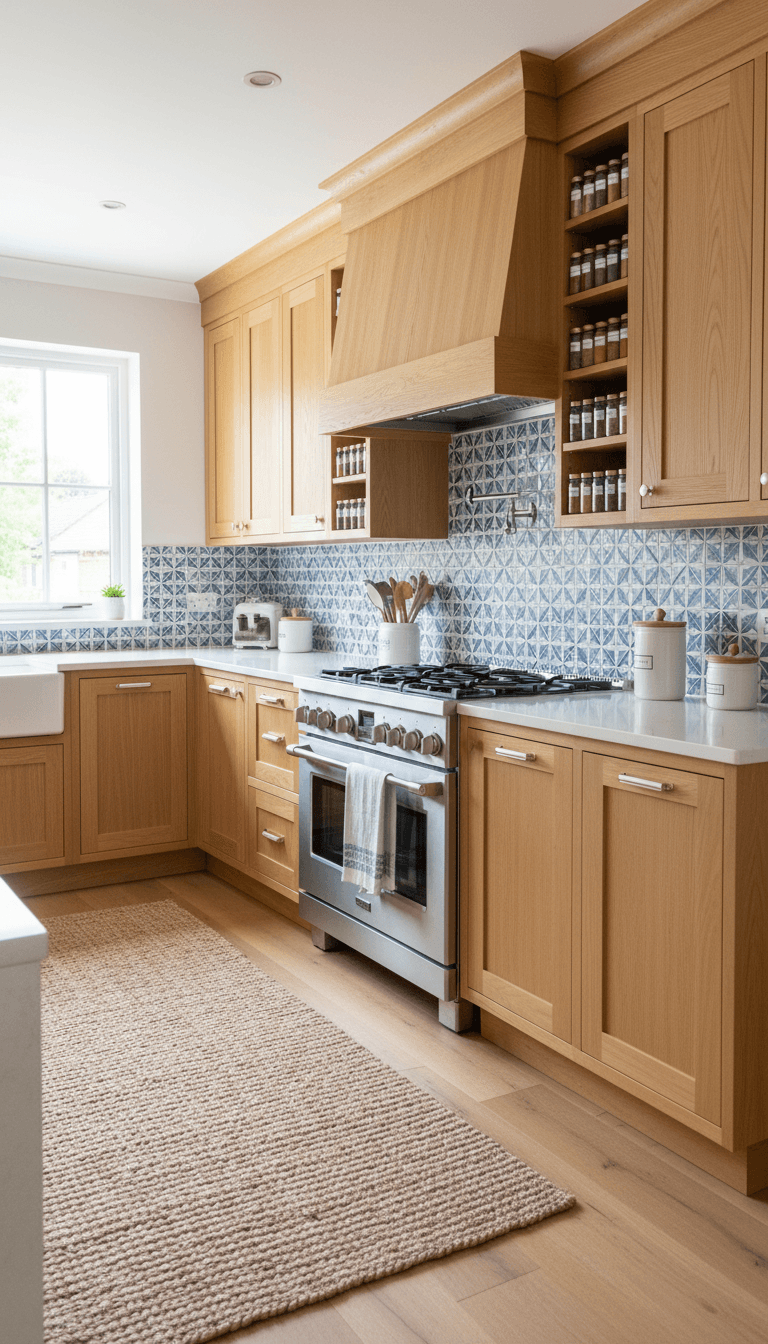


Turn your vent hood cover into a secret storage hero by building shallow spice cabinets into the sides. It’s practical and looks custom-made.
- Frame out side panels deep enough for spice jars (about 3–4 inches)
- Add slim cabinet doors or open niches with rails
- Line shelves with non-slip liners or small jars
This is perfect for cooks who want spices right where they’re needed without cluttering the counter. Keep the exterior design consistent with your upper cabinets for a seamless look.
Action tip: Measure your favorite spice containers first, then design the depth and height of your side storage to fit them perfectly.
Open Shelf Hood Cover for Extra Display Space
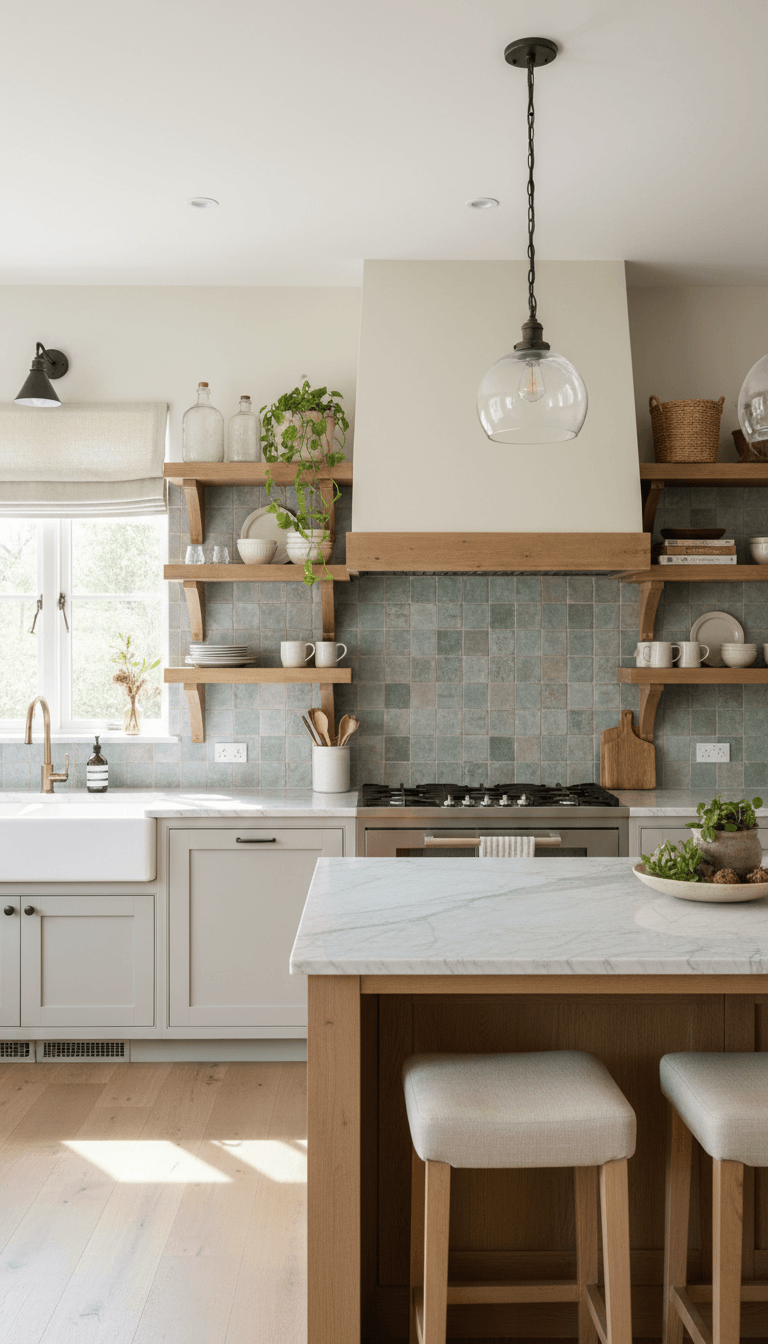
Combine your vent hood cover with open shelving to add both function and style. This is ideal for displaying pretty cookware or everyday dishes.
- Build a hood cover that stops a few inches above the range
- Add one or two floating shelves across or beside the hood
- Use solid wood planks and sturdy hidden brackets
Keep the displayed items edited and coordinated so the area feels styled, not cluttered. Mixing a few practical pieces with decor creates a lived-in, curated look.
Action tip: Style shelves with a simple formula: stack of plates, small plant, and one or two decorative items like a ceramic jar or framed art.
Industrial Metal-Look Hood Cover on a Budget
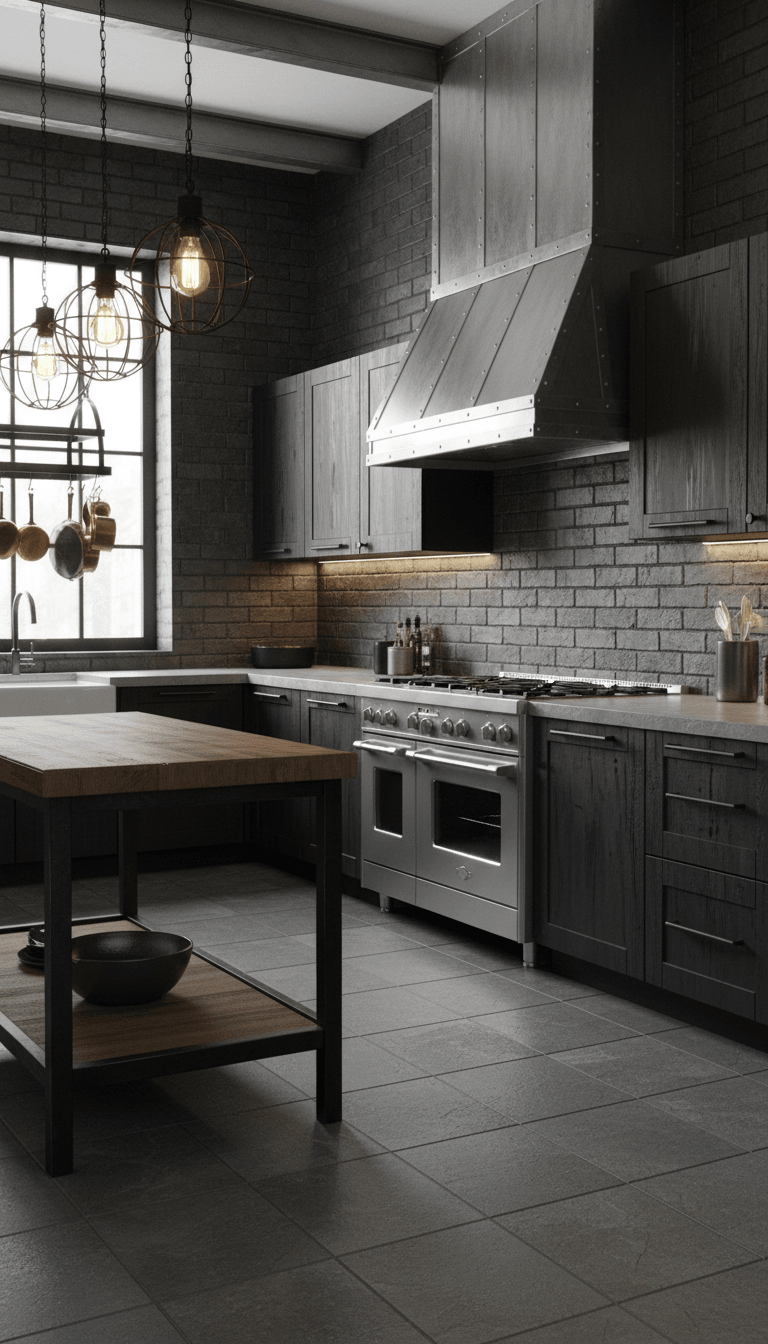
Get a high-end metal hood look without the designer price tag. You can fake the effect with paint, contact paper, or thin metal sheets.
- Wrap a simple wood hood frame in brushed aluminum or galvanized sheet metal
- Or use metallic contact paper for a renter-friendly option
- Add exposed rivets or faux seams for an industrial touch
Pair this with darker cabinets, brick or concrete-look tile, and black hardware for full industrial vibes. Even a small kitchen benefits from the drama.
Action tip: If using metal sheets, sand and clear-coat them to prevent fingerprints and make cleaning easier.
Two-Tone Painted Hood for a Custom Designer Look
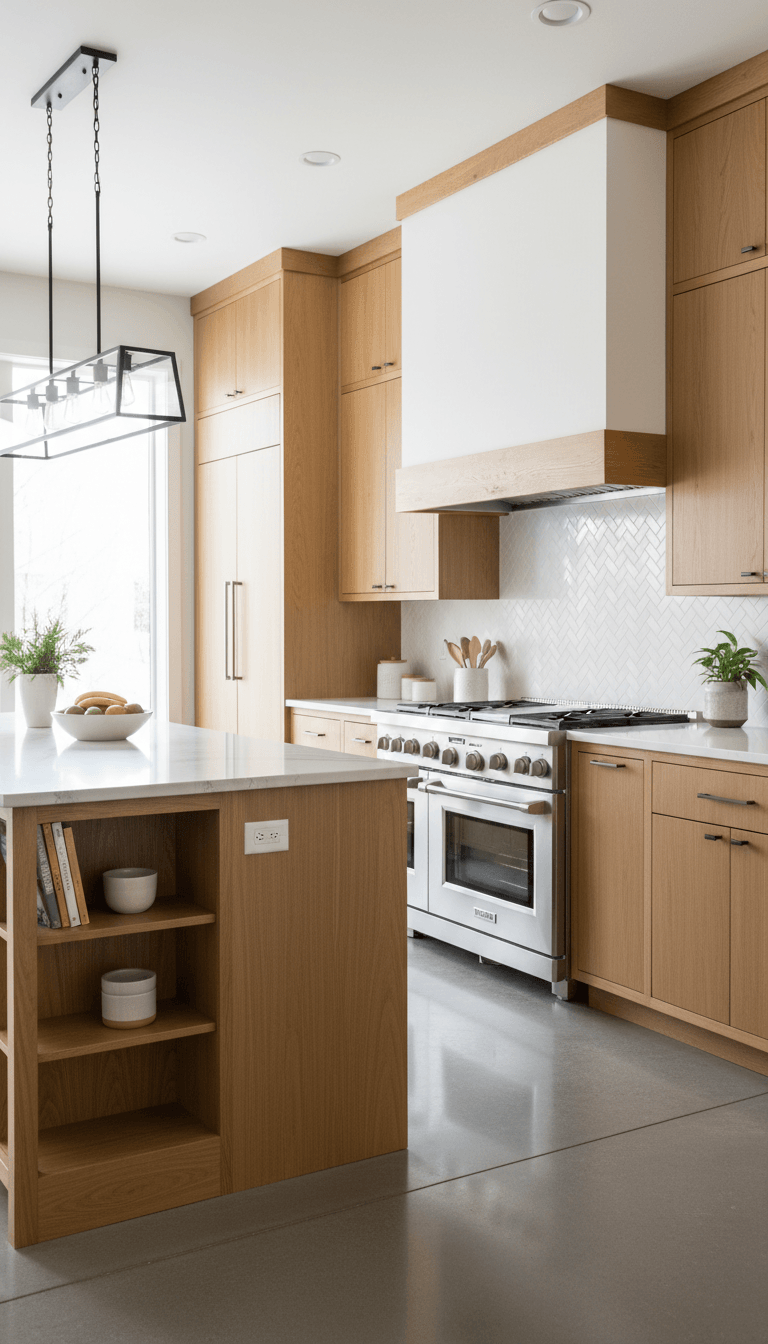
A two-tone vent hood cover can tie your entire color palette together. It’s a low-cost, high-impact update if you already have a simple hood structure.
- Paint the main body to match your upper cabinets
- Stain or paint the trim in a contrasting wood tone or darker color
- Repeat one of the colors somewhere else (like your island) for cohesion
This technique instantly makes your hood look purposeful and built-in. It’s also a smart way to dip into color without repainting your whole kitchen.
Action tip: Use painter’s tape and a laser level to get perfectly straight paint lines between the two colors.
Cottage Style Beadboard Hood Cover
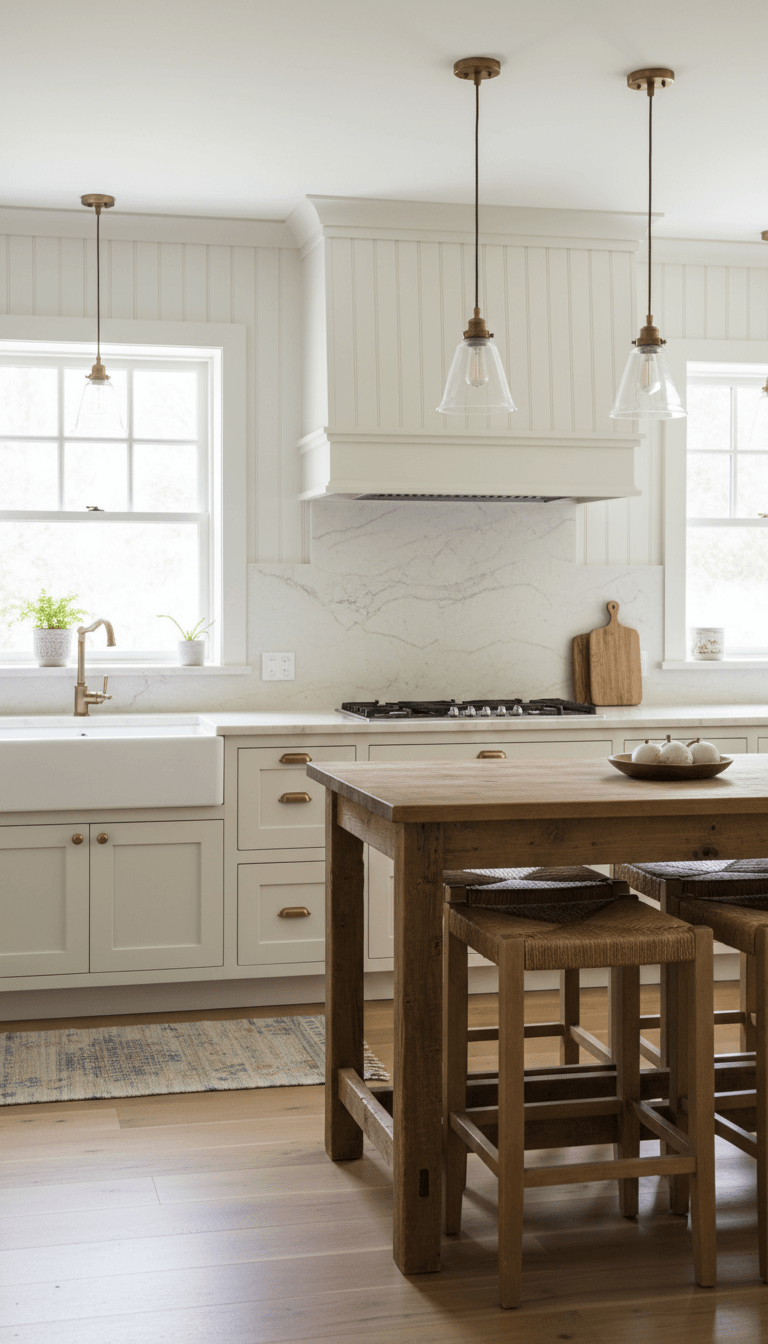
For a sweet, charming cottage kitchen, beadboard is your best friend. It adds delicate texture while staying light and timeless.
- Face the hood box with beadboard panels
- Add simple framing trim around the edges
- Paint in soft white, pale blue, or gentle sage green
This style pairs beautifully with vintage-inspired hardware, apron-front sinks, and floral textiles. It’s also forgiving if your walls or cabinets aren’t perfectly straight.
Action tip: Prime beadboard thoroughly and use caulk in the seams to avoid visible gaps and shadows once painted.
Modern Slatted Wood Vent Hood Feature
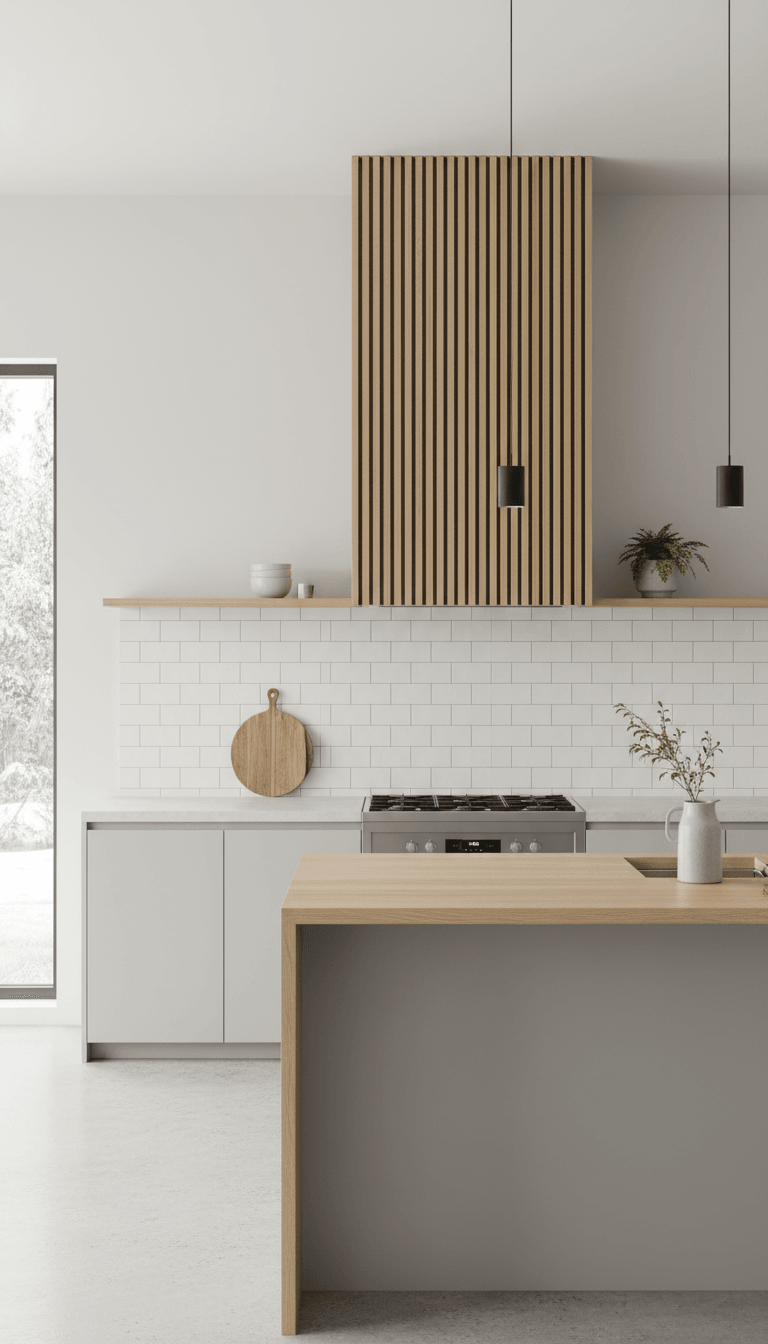
A slatted wood hood cover brings a sleek, modern, almost Scandinavian feel. The vertical lines draw the eye up and add architectural interest.
- Build a basic box, then wrap the face with evenly spaced wood slats
- Use light oak, ash, or walnut for a natural look
- Keep the side profile clean and minimal
This design looks incredible against a simple backsplash like white tile or full-height stone. It works particularly well in open-concept spaces.
Action tip: Use spacers (like paint sticks) between slats to keep the gaps uniform while installing.
Tile-Clad Hood Cover That Matches Your Backsplash
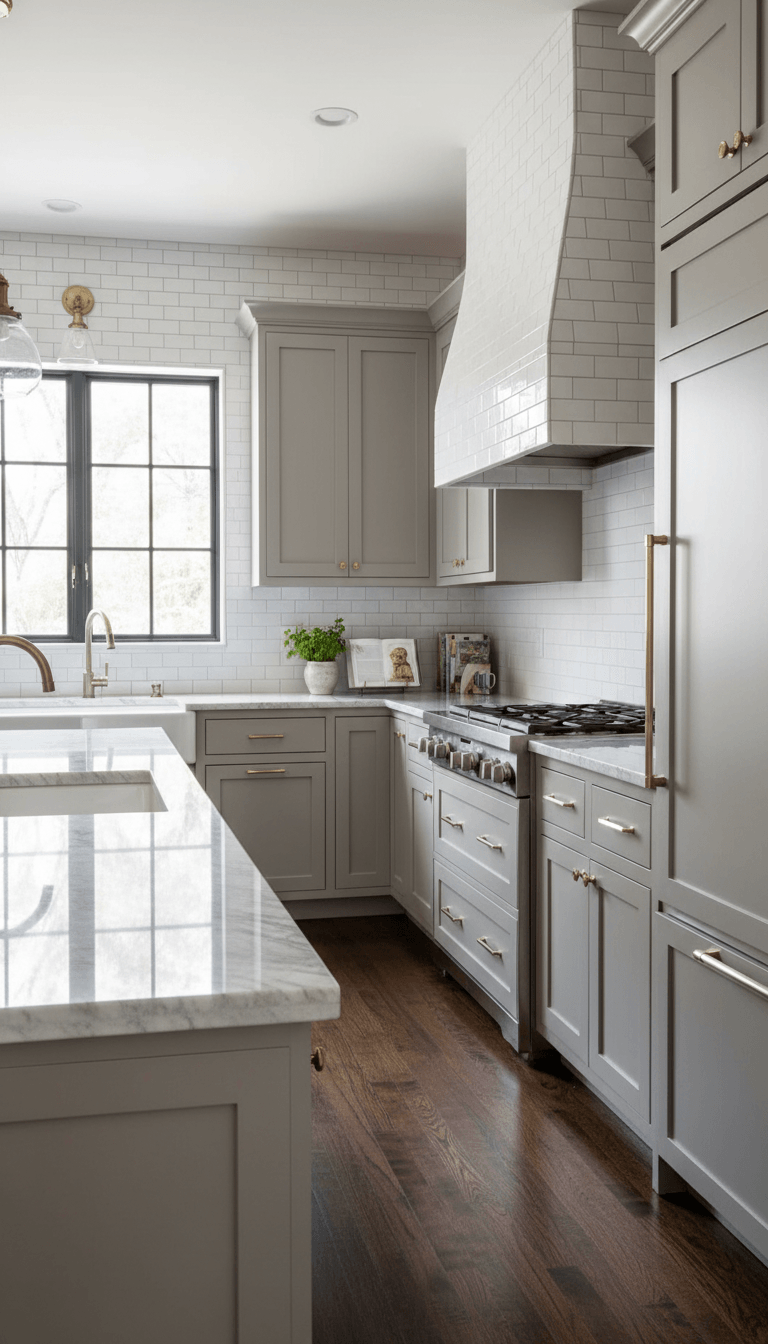
For a truly custom, high-end feel, wrap your hood cover in the same tile as your backsplash. This creates a seamless, sculptural look.
- Build a sturdy, smooth hood frame rated for tile
- Use lightweight tile or mosaic sheets for easier installation
- Finish edges with bullnose tile or metal edging trim
Because tile adds weight, make sure your framing and wall anchors are robust. The result can feel like a single architectural feature instead of separate pieces.
Action tip: Lay out your tile pattern on the floor first so you can plan where seams and cuts will be least noticeable on the hood.
Reclaimed Wood Beam Accent Hood
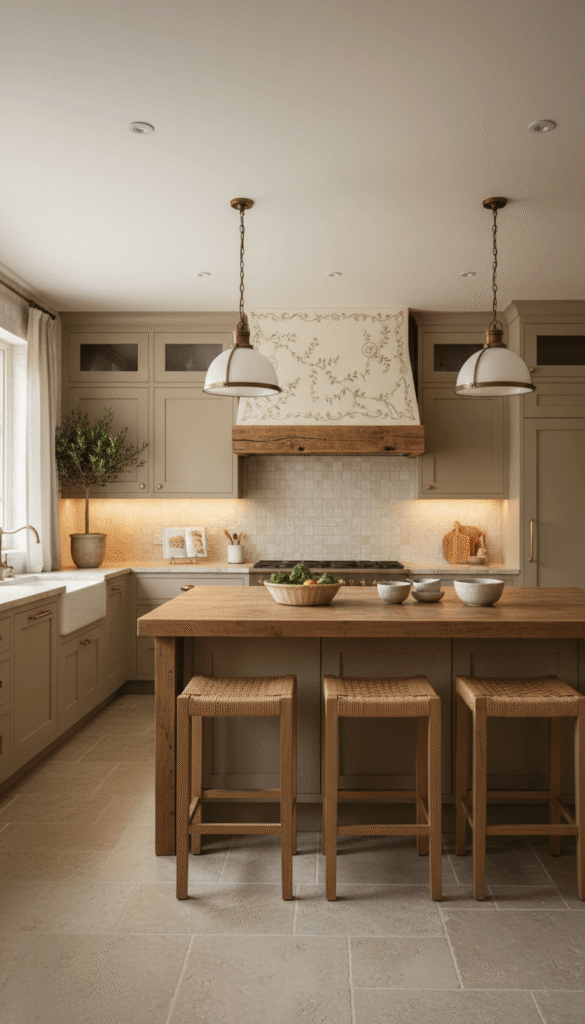
Add instant character with a reclaimed wood beam across the base of your vent hood cover. It brings warmth and a story to any style kitchen.
- Build a simple painted hood box
- Attach a faux or real reclaimed wood beam along the bottom edge
- Seal the wood to protect against grease and moisture
The contrast between smooth paint and textured, aged wood feels rich and layered. This works with farmhouse, rustic, or even modern spaces if the lines stay clean.
Action tip: Lightly sand reclaimed wood to remove splinters but keep the patina; then use a matte clear coat to preserve the aged look.
Slim Floating Shelf Hood for Small Kitchens
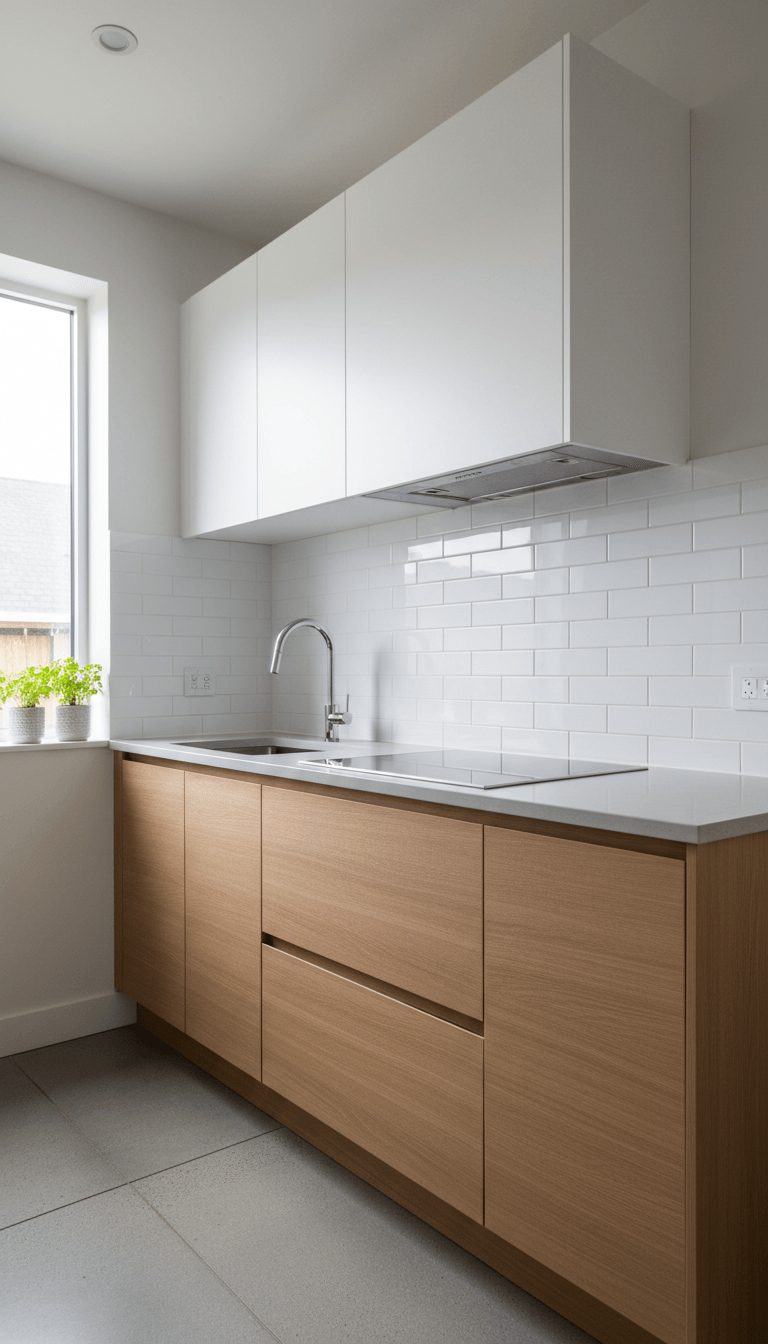
In tight spaces, a bulky hood cover can feel overwhelming. A slim, floating-style hood offers function without visual heaviness.
- Build a shallow frame that hugs the vent closely
- Add a thin front panel and minimal side returns
- Keep finishes light and simple, like white or pale wood
This approach frees up wall space visually and pairs well with narrow open shelves or no upper cabinets at all. It’s perfect for apartments and galley kitchens.
Action tip: Match the depth of your hood face to nearby shelves so everything lines up and looks intentionally streamlined.
Conclusion
A DIY vent hood cover is one of those game-changing projects that can completely shift the feel of your kitchen without a full renovation. Whether you lean farmhouse, French, modern, or minimalist, the right design can add style, storage, and cohesion to your space.
Choose a look that complements your cabinets and backsplash, plan your materials carefully, and take your time with the finishing details. With a weekend of work and a few thoughtful choices, your once-boring vent hood can become the show-stopping centerpiece your kitchen deserves.