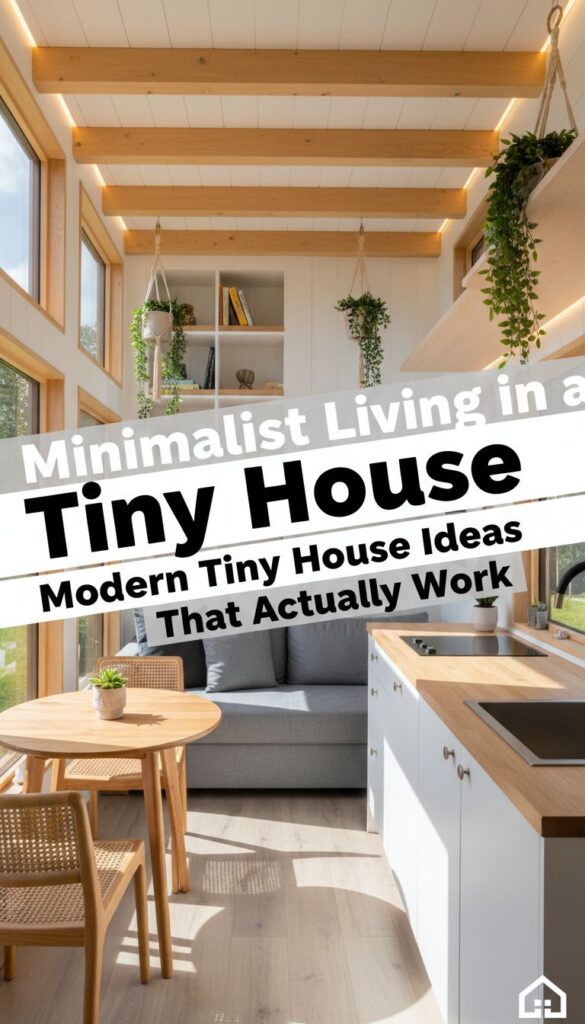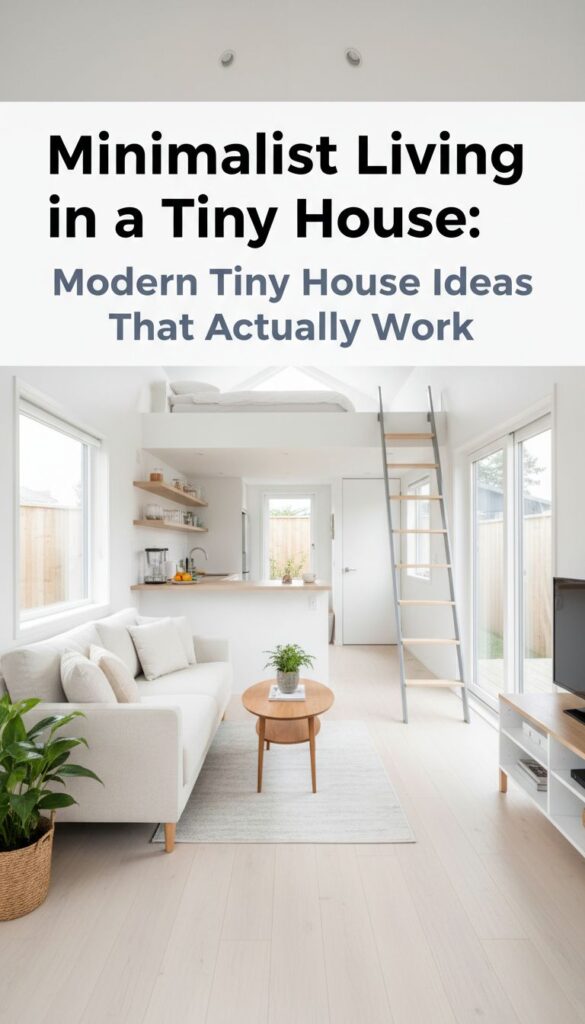
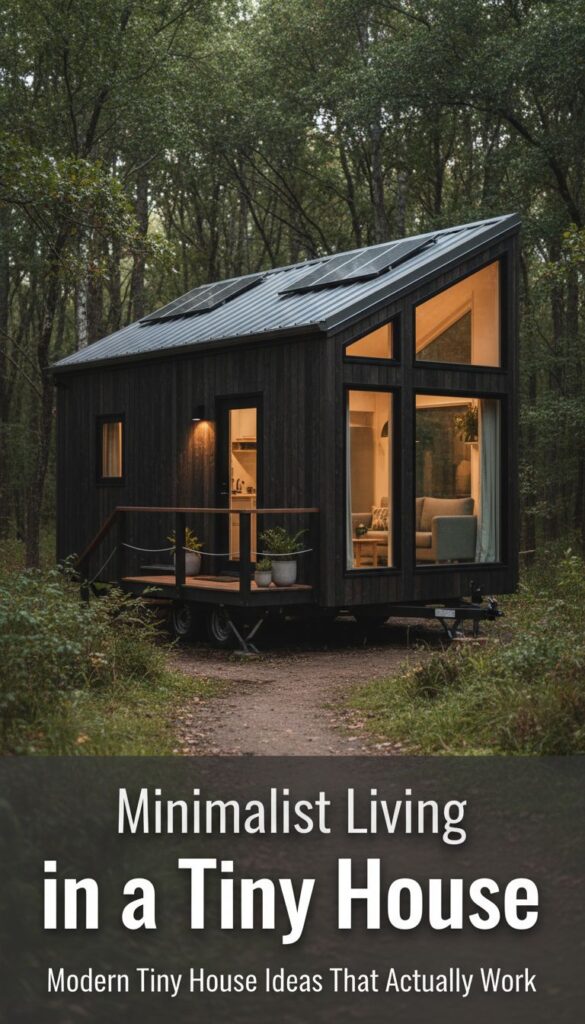
Minimalist Living in a Tiny House: Modern Tiny House Ideas That Actually Work
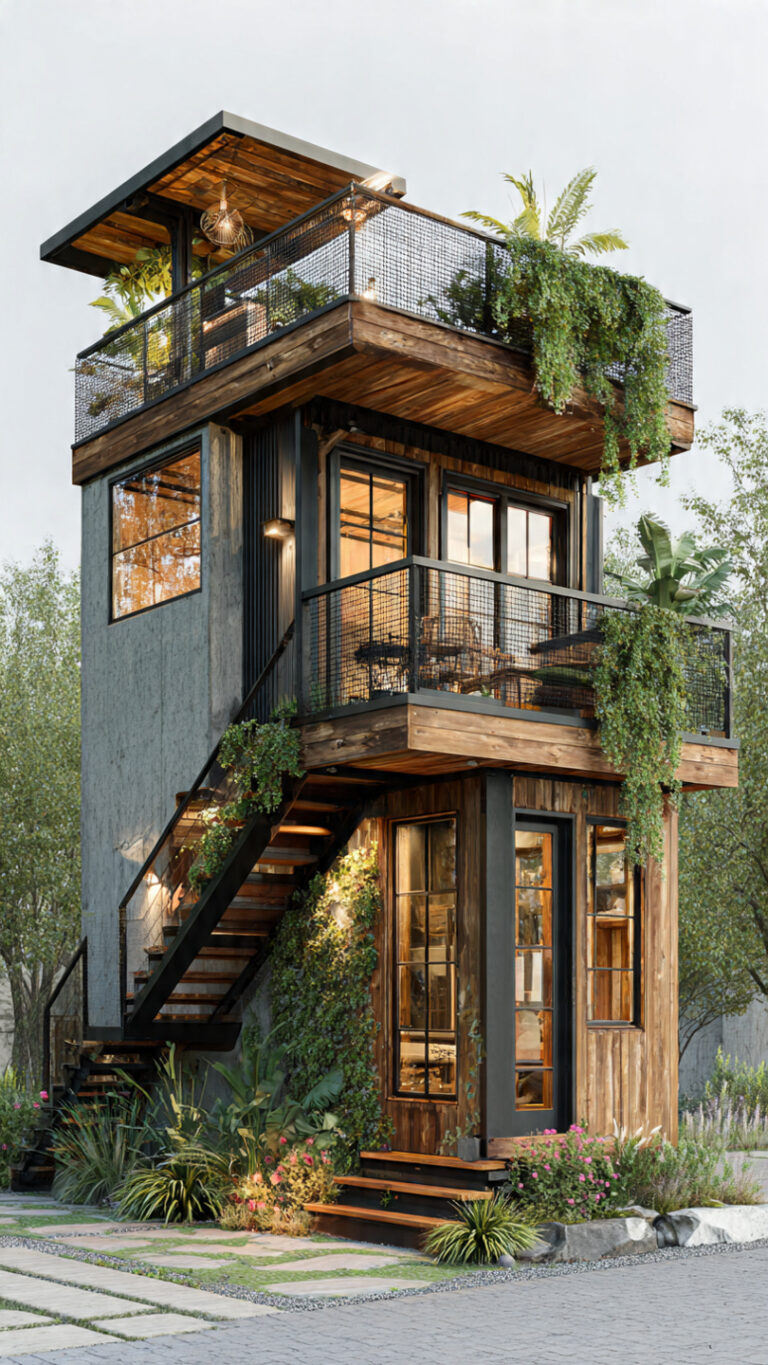
Minimalist living in a tiny house is about more than shrinking your square footage. It’s about designing a space that supports your life instead of crowding it. Done well, a tiny home can feel calm, stylish, and surprisingly spacious.
This post may contain affiliate links, which means I’ll receive a commission if you purchase through my link, at no extra cost to you. Please read full disclosure here.
Modern tiny house ideas focus on smart storage, multi-use furniture, and clean, uncluttered design. Whether you’re planning a full-time tiny lifestyle or a weekend retreat, the right layout and systems can make all the difference.
This guide walks you through practical, modern strategies for tiny house living so you can create a minimalist home that feels intentional, not cramped.
Clarify Your Minimalist Lifestyle First
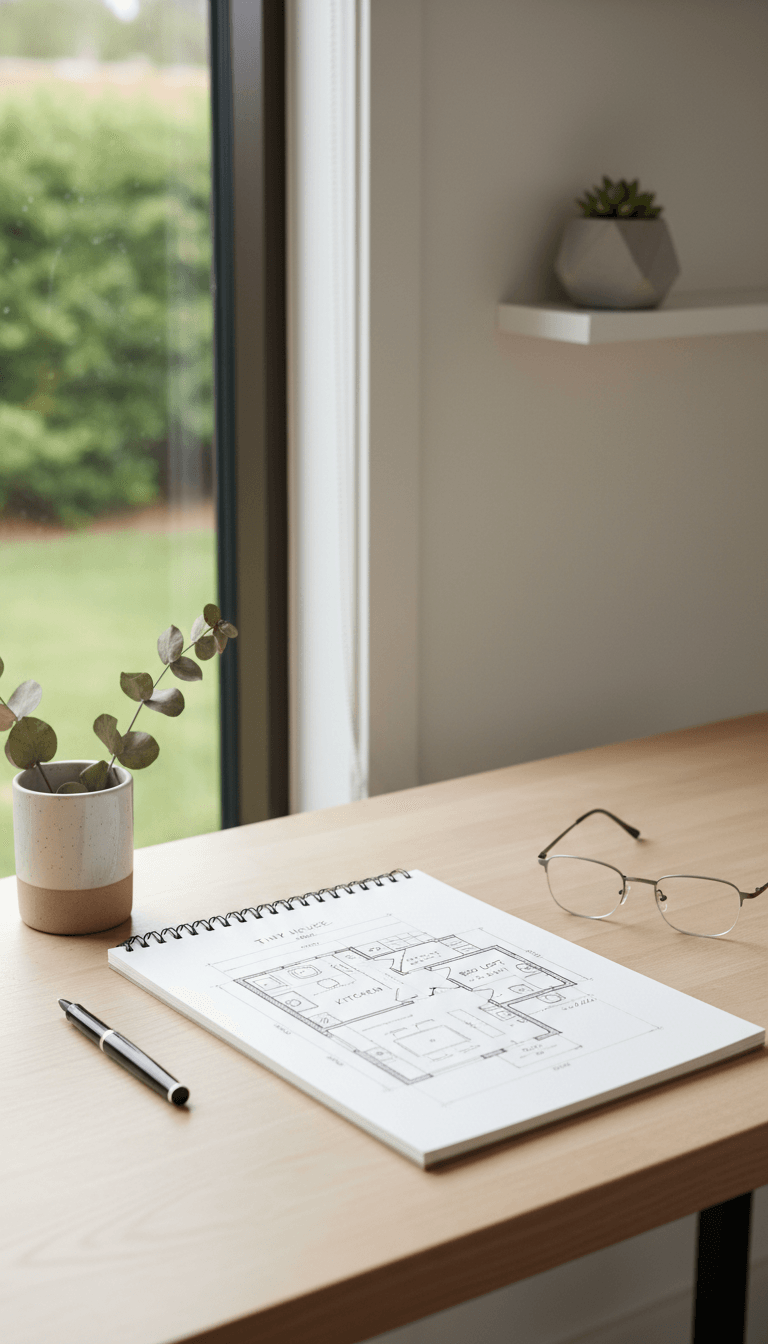
Before you design a tiny house, get clear on how you actually live. Minimalism isn’t about owning almost nothing; it’s about owning what truly serves you.
Start by asking what you do daily and what you can comfortably live without.
- List your daily habits (work, hobbies, cooking, fitness)
- Identify “must keep” items that support those habits
- Decide what you can digitize (books, documents, movies)
- Set limits on categories (clothes, kitchen tools, decor)
Design your tiny home around your real routines, not an idealized version of yourself. If you love cooking or crafting, you’ll need more functional space there and less somewhere else.
Action tip: Create a one-page “lifestyle blueprint” that lists your top 5 daily activities and non-negotiable items, then use it to guide every design choice.
Smart Layouts That Make a Tiny House Feel Bigger
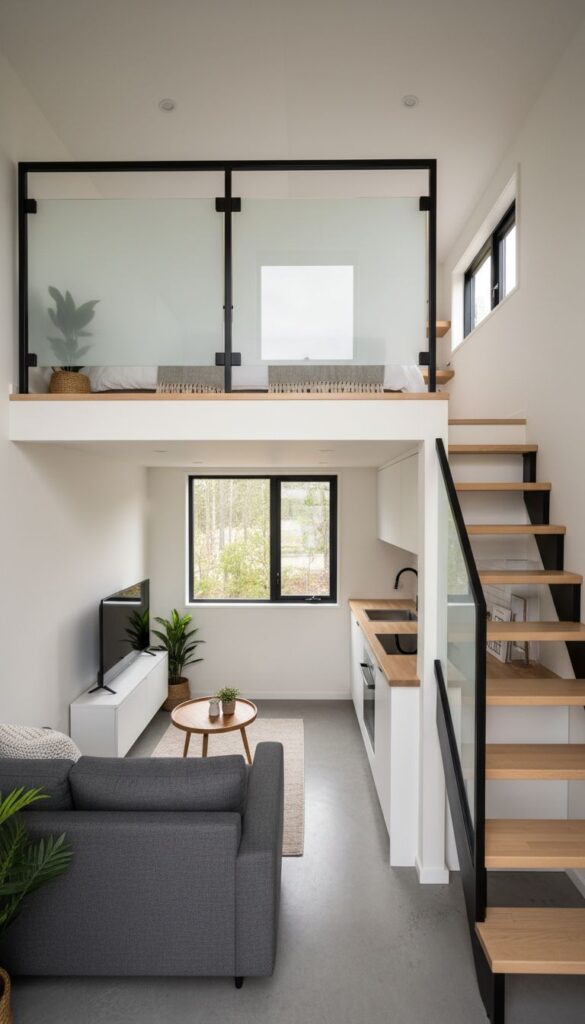
Modern tiny house layouts focus on sightlines, flow, and flexibility. The goal is to keep the space open while still carving out distinct zones for living, sleeping, and working.
Think in terms of vertical space and multifunctional areas instead of separate rooms.
- Use an open floor plan with a clear line of sight from one end to the other
- Place large windows opposite each other for cross-light and airflow
- Choose a lofted bed or raised platform with storage underneath
- Use pocket, sliding, or barn doors instead of swinging doors
- Create a convertible work/dining area with a fold-down or pull-out table
Even small changes in layout, like centering the door or adding a high window, can dramatically change how spacious the home feels. Prioritize flow: you should be able to move from cooking to working to relaxing without constant rearranging.
Action tip: Tape out your ideal layout on the floor of a room or driveway at full scale and walk through your day to see if the flow feels natural.
Minimalist Storage and Furniture That Work Overtime
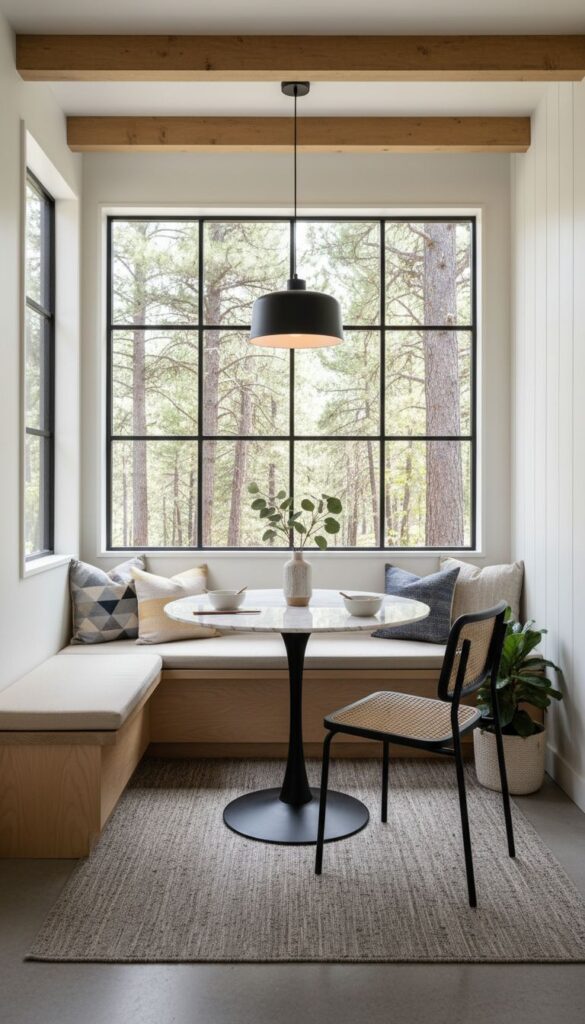
In a tiny house, every object should earn its place. Modern minimalist designs hide clutter in plain sight with smart storage and multifunctional furniture.
Focus on built-ins and transformable pieces that serve at least two purposes.
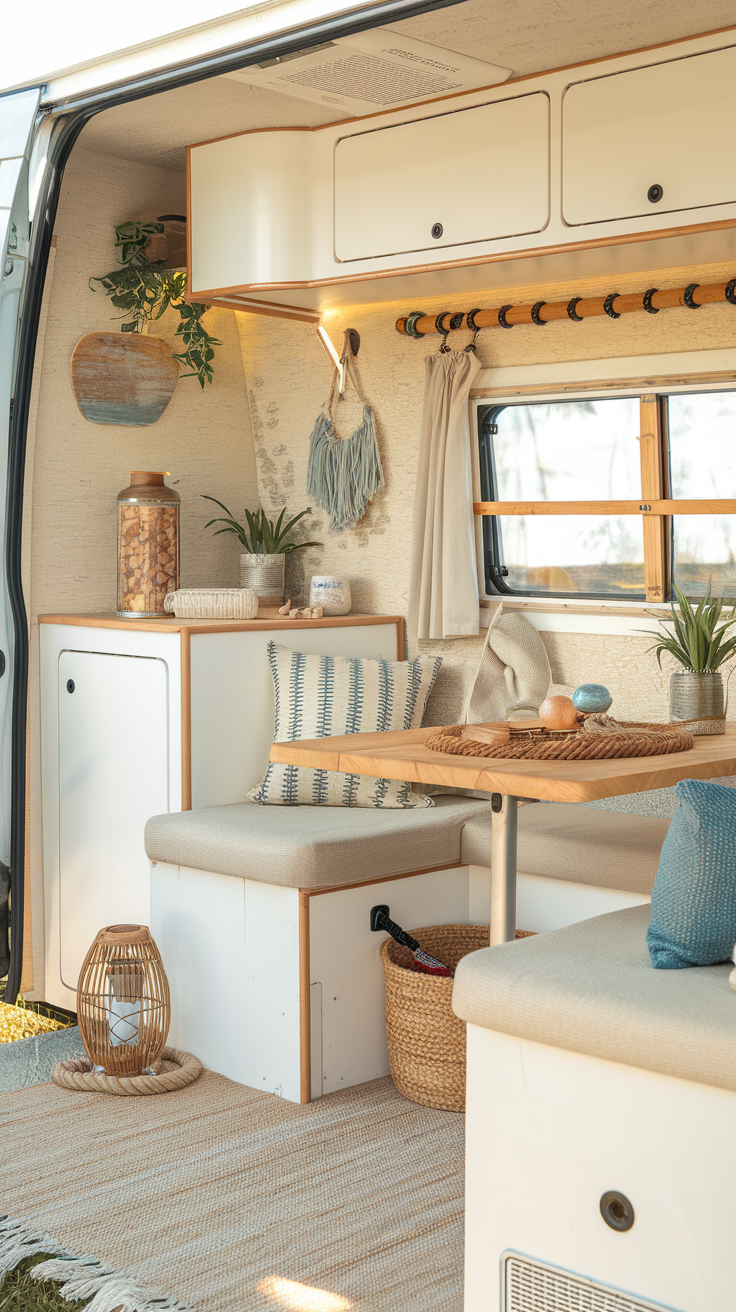
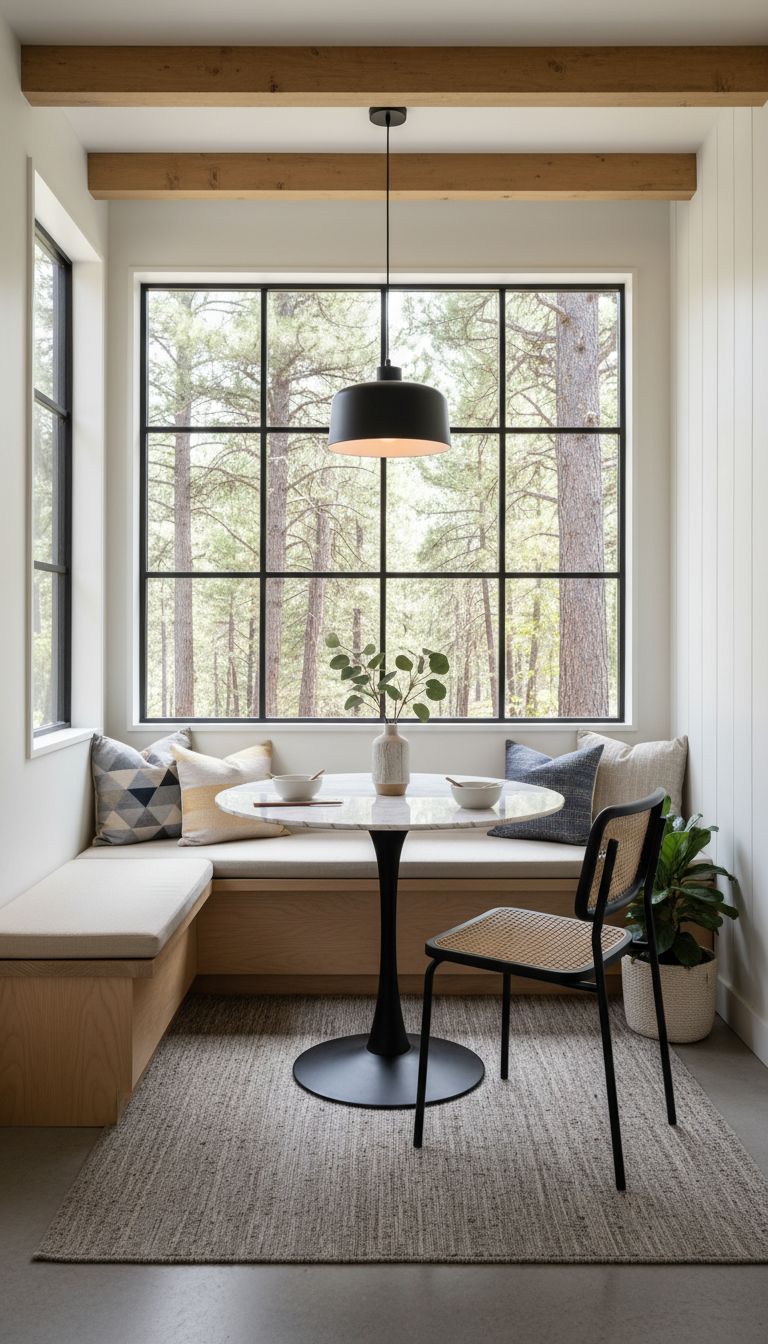
- Install built-in benches with deep drawers or lift-up lids
- Use a sofa that converts to a guest bed or daybed with storage
- Choose a bed with drawers or a lift-up mattress for bulk storage
- Add toe-kick drawers under cabinets to capture wasted space
- Use wall-mounted shelves, pegboards, and rail systems instead of bulky furniture
Stick to a limited color palette and simple lines so even visible items feel calm, not chaotic. The less visual noise, the more open the space feels.
Action tip: Walk through your current home and label every large item as “single-purpose” or “multi-purpose” and commit to only bringing multi-purpose pieces into your tiny house.
Light, Materials, and Color for a Modern Minimalist Look
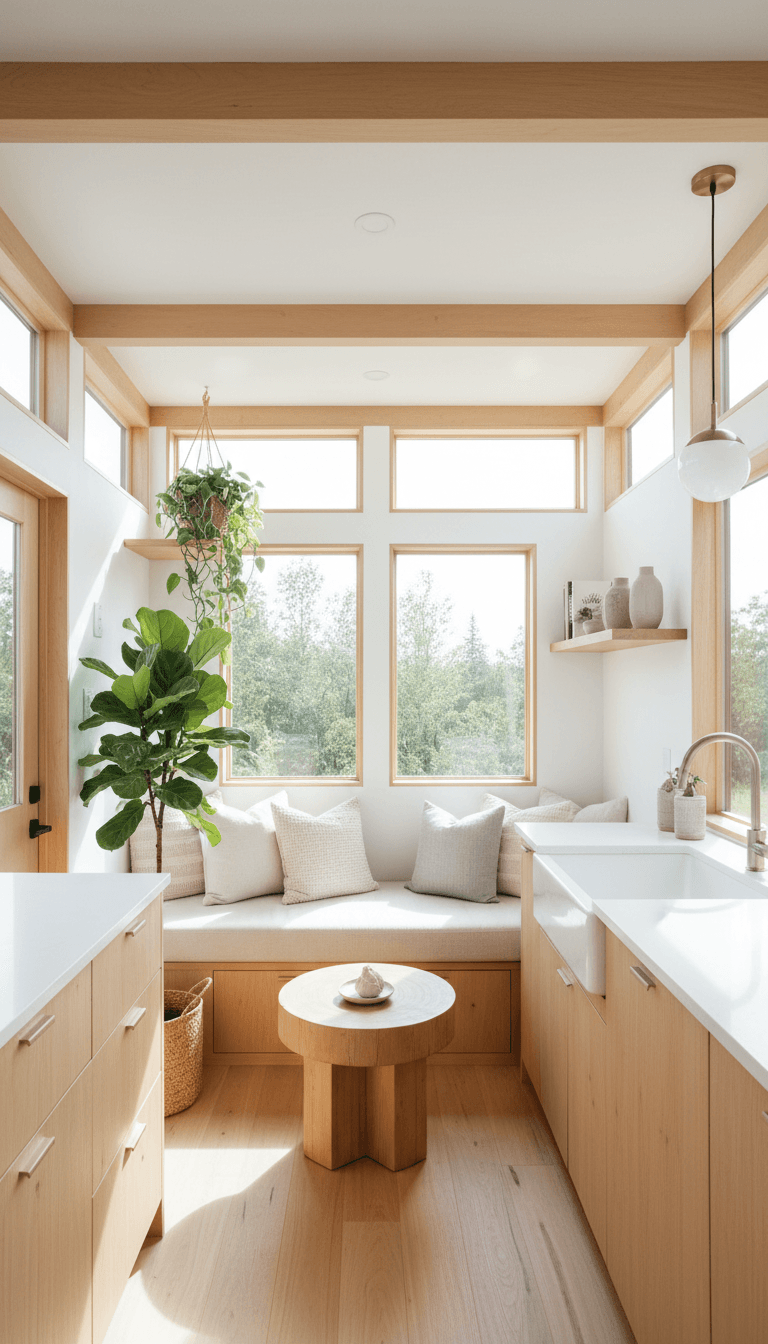
Minimalist tiny homes rely on light and materials to create a sense of calm. The right finishes can make a small footprint feel airy instead of confined.
Aim for a bright, cohesive palette with natural textures and a few bold accents.
- Use light walls (white, soft gray, warm beige) to reflect light
- Choose natural materials like wood, linen, and wool for warmth
- Limit yourself to 2–3 main colors and 1–2 accent tones
- Add mirrors opposite windows to amplify natural light
- Use simple, slimline lighting fixtures that don’t visually clutter
Avoid overly busy patterns and heavy, dark finishes that close in the space. Think “quiet luxury” rather than “rustic overload” to keep the look modern and timeless.
Action tip: Create a tiny-materials board with samples or photos of your wall color, flooring, cabinetry, and fabrics, and check that everything feels cohesive and calm when viewed together.
Systems and Daily Habits That Keep Your Tiny House Minimal
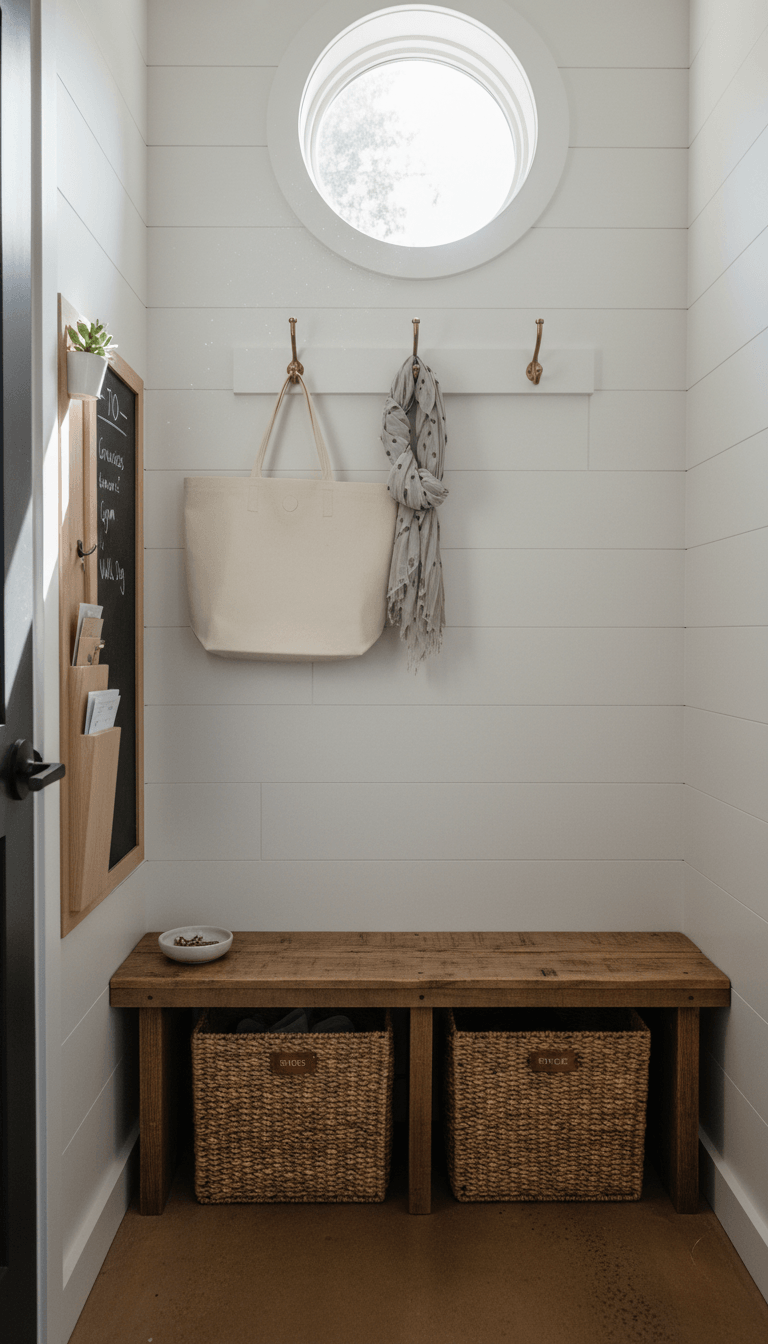
Minimalist design only works if your daily habits support it. Tiny living requires simple systems that keep clutter from creeping back in.
Build routines that make it effortless to maintain order.
- Use a one-in, one-out rule for clothes, books, and kitchen tools
- Keep a small donation box inside the house and empty it monthly
- Do a 5–10 minute reset each night (dishes, surfaces, floors)
- Store everyday items within easy reach and rarely used items higher up
- Create a dedicated drop zone for keys, mail, and devices
When your habits match your space, your tiny house stays calm and functional without constant effort. Minimalism becomes a lifestyle, not a project.
Action tip: Choose one daily 5-minute routine (like a nightly surface clear-off) and practice it for 2 weeks to build the habit before moving into your tiny home.
Conclusion
Minimalist living in a tiny house is about thoughtful choices, not strict rules. When you design around your real lifestyle, use smart layouts, invest in multifunctional furniture, and build simple daily habits, even a very small space can feel open, modern, and peaceful.
Start with your lifestyle blueprint, experiment with layout ideas, and refine your systems as you go. Your tiny house can become a streamlined home that supports what matters most and leaves everything else at the door.