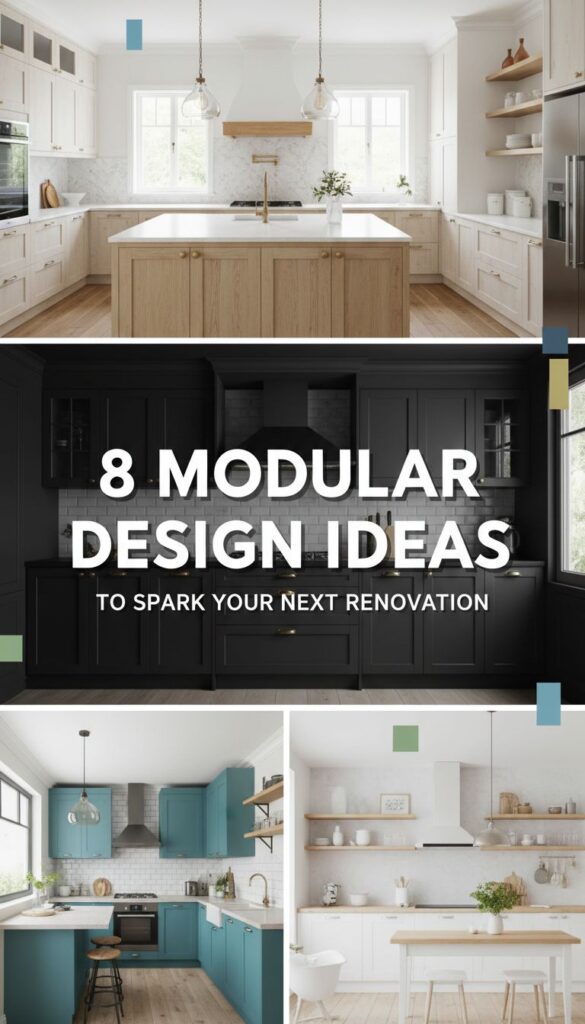
8 Modular Kitchen Design Ideas to Spark Your Next Renovation
A well-designed modular kitchen doesn’t just look beautiful, it can completely change how you cook, entertain, and live every day. The right layout, finishes, and storage solutions can turn even a small, cluttered space into a show-stopping centerpiece.
This post may contain affiliate links, which means I’ll receive a commission if you purchase through my link, at no extra cost to you. Please read full disclosure here.
Whether you’re planning a brand-new kitchen or upgrading an outdated one, these modular kitchen styles offer clever ideas for every taste and budget. Use them as inspiration to create a space that’s stylish, practical, and uniquely yours.
Sleek Straight-Line Modular Kitchen
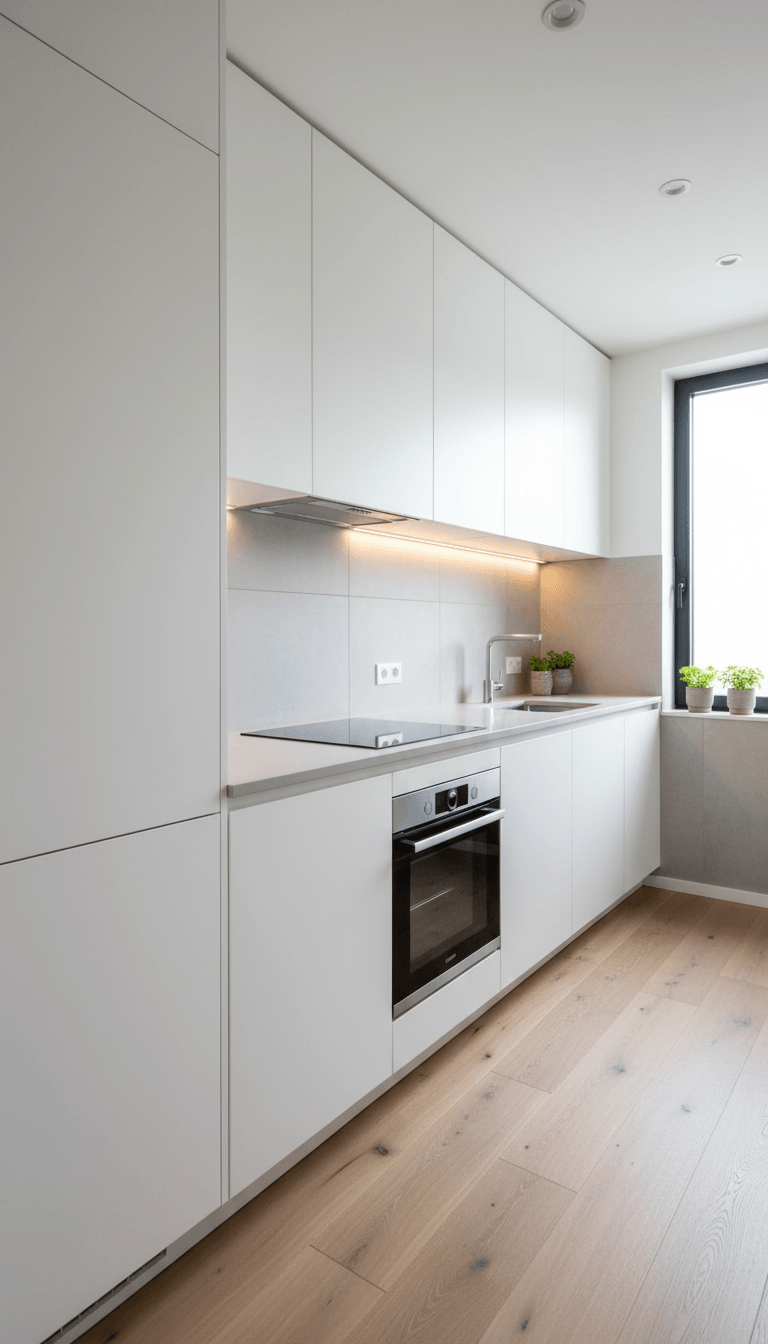
Perfect for compact homes and studio apartments, the straight-line layout keeps everything along a single wall. It maximizes efficiency without overwhelming the room.
- Keep sink, hob, and fridge in a simple linear flow
- Use overhead cabinets to make the most of vertical space
- Opt for handleless shutters for a clean, modern finish
This design works best when you minimize visual clutter and stick to a cohesive color palette. Add under-cabinet lighting to brighten your workspace and make the kitchen feel bigger.
Action tip: Measure your wall and plan each cabinet module on paper before ordering to avoid awkward gaps or unusable corners.
Timeless L-Shaped Modular Kitchen
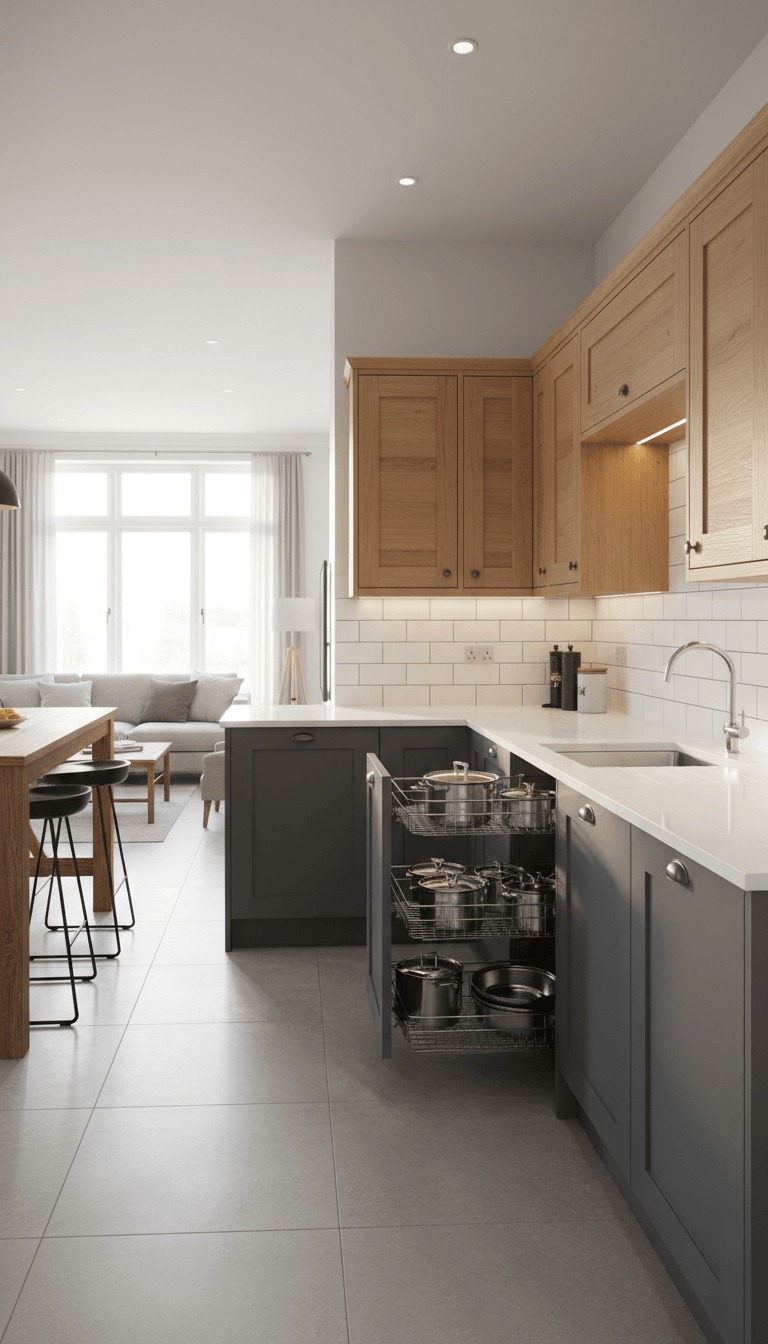
The L-shaped layout is a classic for a reason: it fits easily into corners, offers great workflow, and creates a natural separation between cooking and prep areas.
- Use one side for heavy-duty cooking and the other for prep or serving
- Add open shelves on the shorter side for daily-use items
- Integrate corner units with pull-outs or carousels to avoid dead space
This layout is ideal for open-plan living rooms, leaving space for a dining table or island opposite the L. Balance tall cabinets with lighter open shelves to avoid a bulky look.
Action tip: Position the sink on one leg of the L and the hob on the other to create a comfortable working triangle in a compact footprint.
High-Performance U-Shaped Modular Kitchen
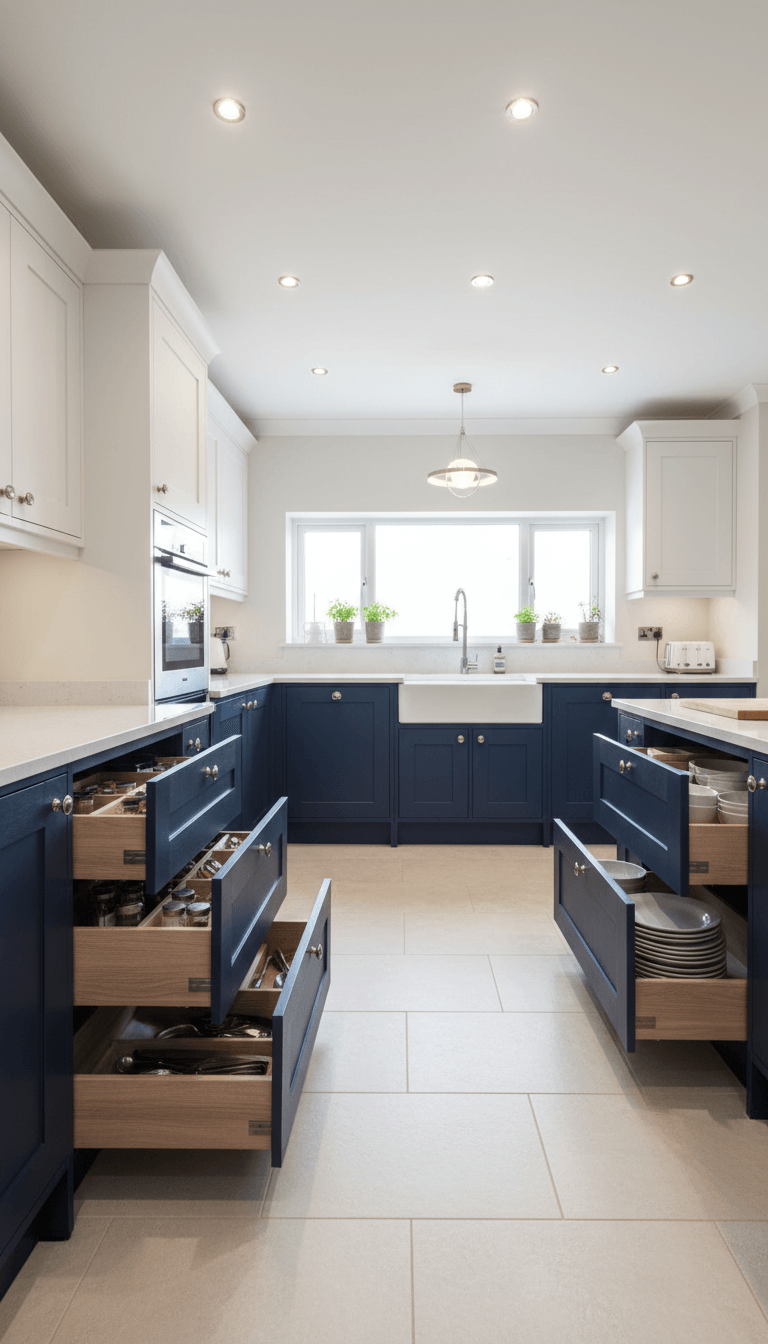
If you love cooking and want maximum storage and counter space, a U-shaped kitchen is a game-changer. Cabinets run along three walls, wrapping you in a practical work zone.
- Allocate one wall for cooking, one for prepping, and one for cleaning
- Use tall pantry units on one side for bulk storage
- Incorporate deep drawer systems for pots, pans, and dinnerware
This layout shines in medium to large kitchens, especially for families or avid home chefs. Keep upper cabinets lighter in color to prevent the space from feeling closed in.
Action tip: Maintain at least 4 feet of space between opposite counters so you can move freely without feeling cramped.
Show-Stopping Island Modular Kitchen
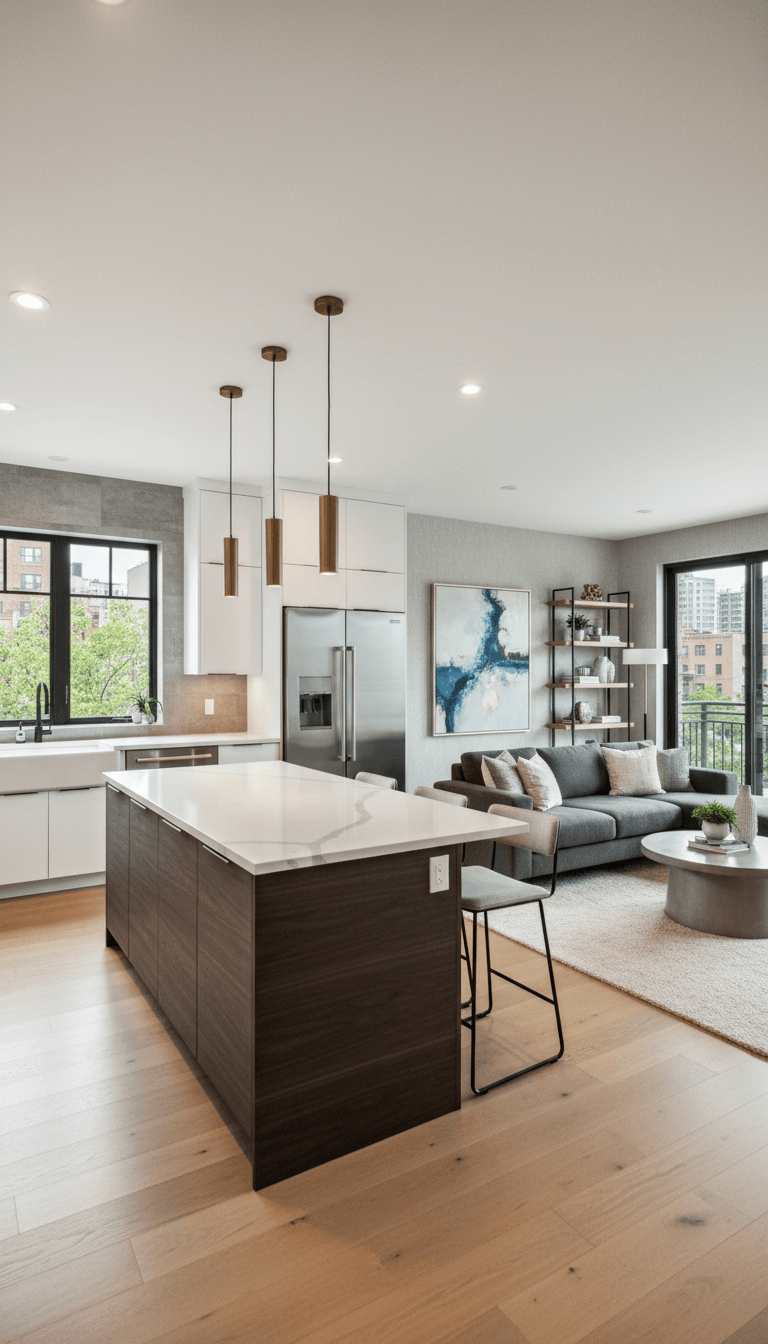
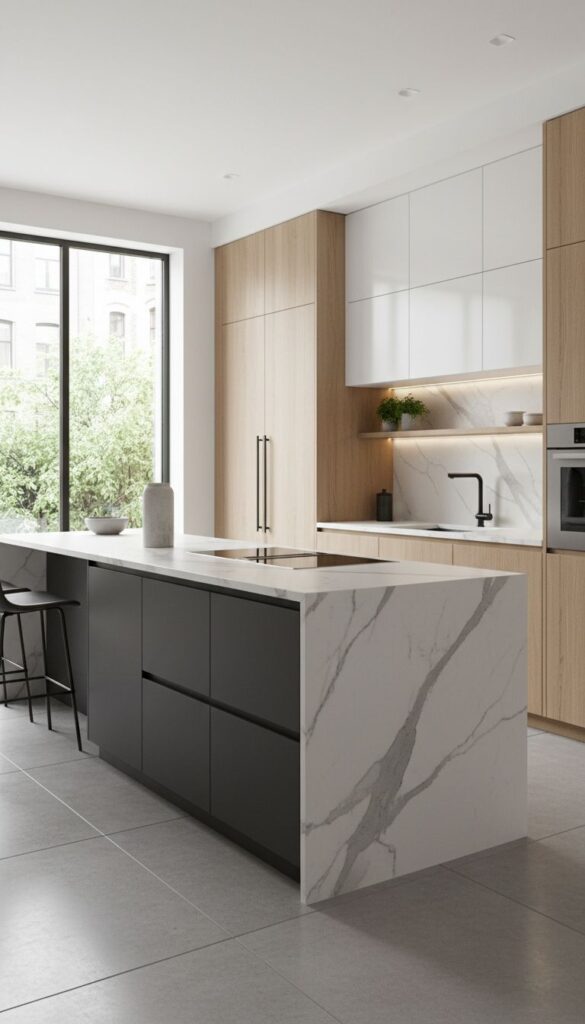
An island instantly adds a luxury feel while boosting functionality. It can serve as extra prep space, a breakfast counter, or even house your hob or sink.
- Use the island for casual seating with stylish bar stools
- Add drawers on the kitchen-facing side for utensils and cookware
- Install pendant lights above the island as a design focal point
Islands work best in open layouts with enough circulation space all around. Play with contrasting colors or materials to make the island stand out.
Action tip: Leave at least 3–4 feet of clearance around the island so multiple people can move and work comfortably.
Chic Parallel (Galley) Modular Kitchen
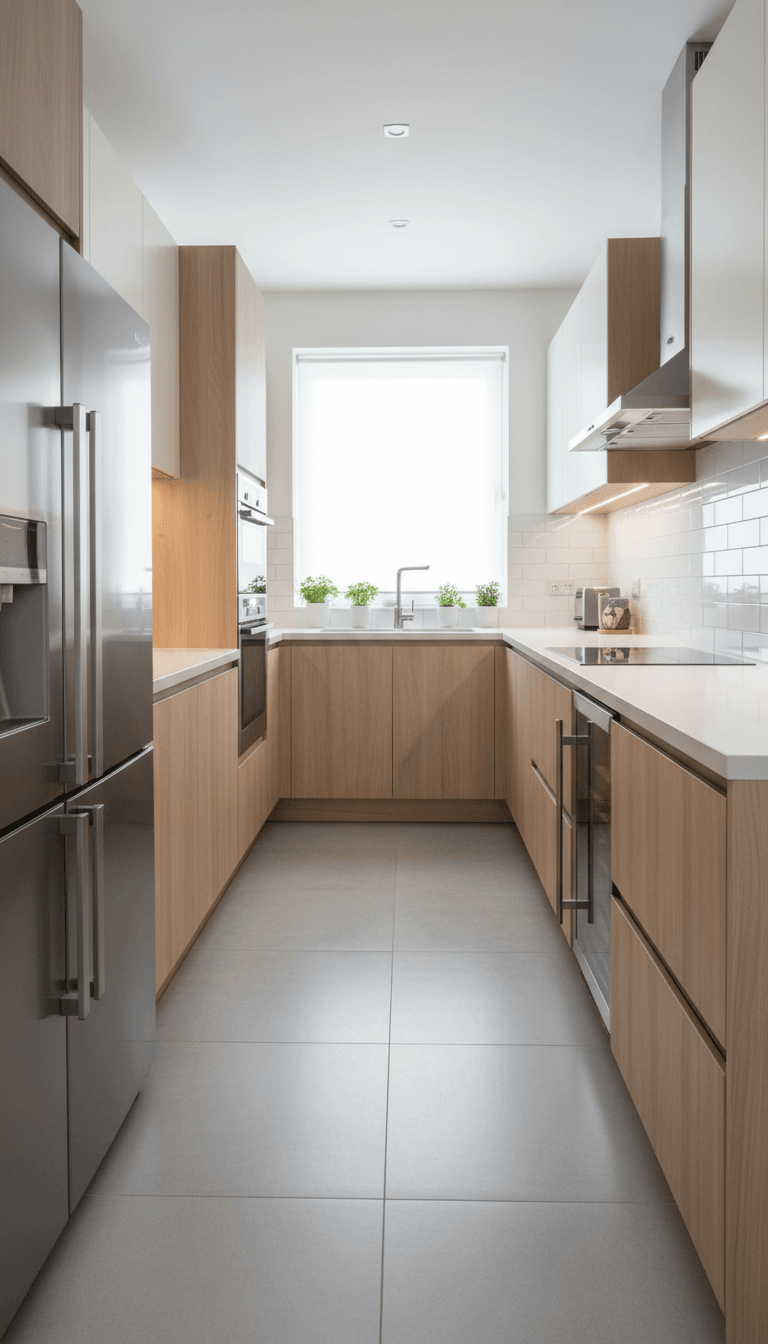
Parallel kitchens feature two counters facing each other, ideal for narrow spaces or long kitchen rooms. This setup creates a super-efficient cooking corridor.
- Use one side for heavy appliances and cooking
- Dedicate the opposite side to prep, sink, and storage
- Add tall units at one end for pantry and built-in microwave or oven
Good lighting is crucial in a galley kitchen to avoid a tunnel effect. Use light-colored cabinetry and reflective backsplashes to keep it airy.
Action tip: Keep at least 3 feet between the two counters; go up to 4–5 feet if multiple people will cook together regularly.
Warm Scandinavian-Style Modular Kitchen
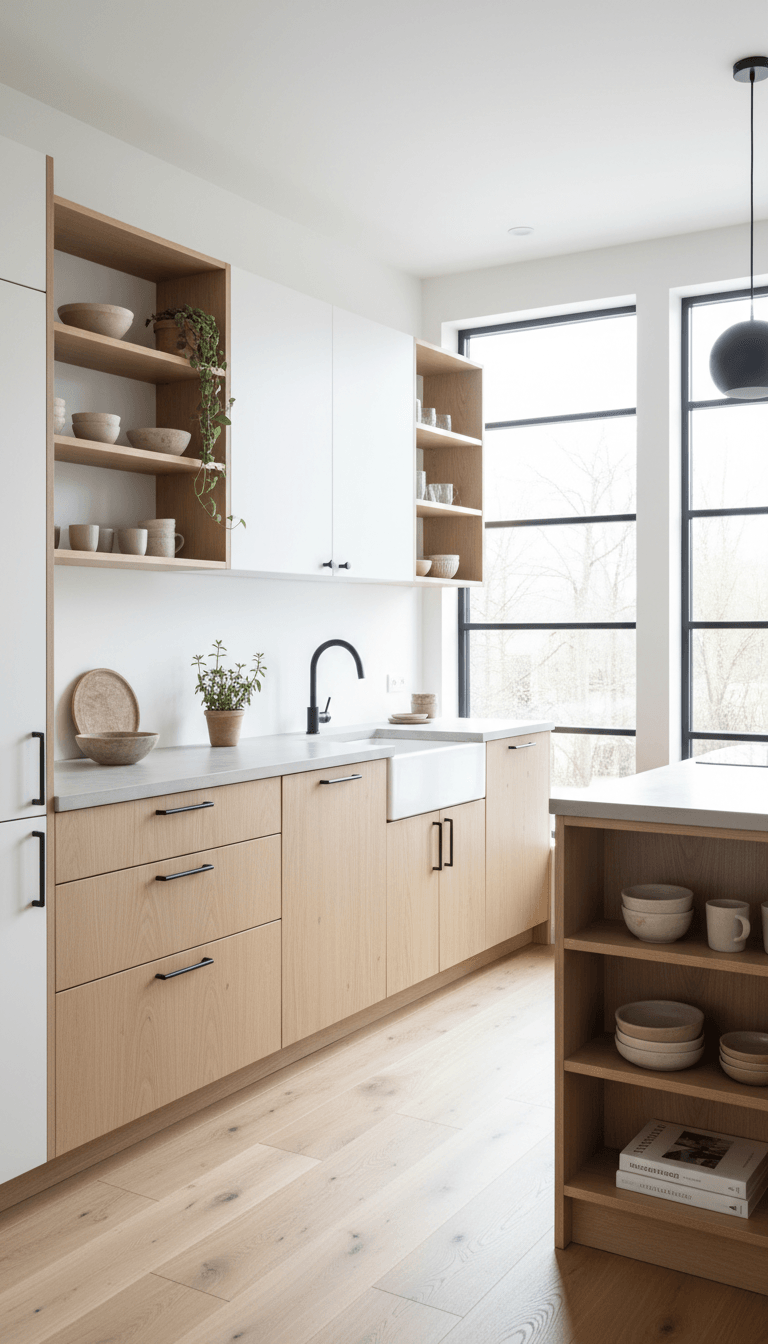
Scandi-inspired modular kitchens blend functionality with cozy minimalism. Think light woods, clean lines, and lots of natural light.
- Choose white or soft pastel cabinets with light oak or birch accents
- Use open shelving to display everyday dishes and plants
- Keep hardware simple: slim black or brushed metal handles
This style is perfect if you want a calm, inviting space that doesn’t feel cluttered. Textures like wood, linen blinds, and woven baskets add warmth without overwhelming the design.
Action tip: Limit your color palette to 2–3 shades and repeat them across cabinets, walls, and accessories for a harmonious, relaxing feel.
Bold Industrial Modular Kitchen
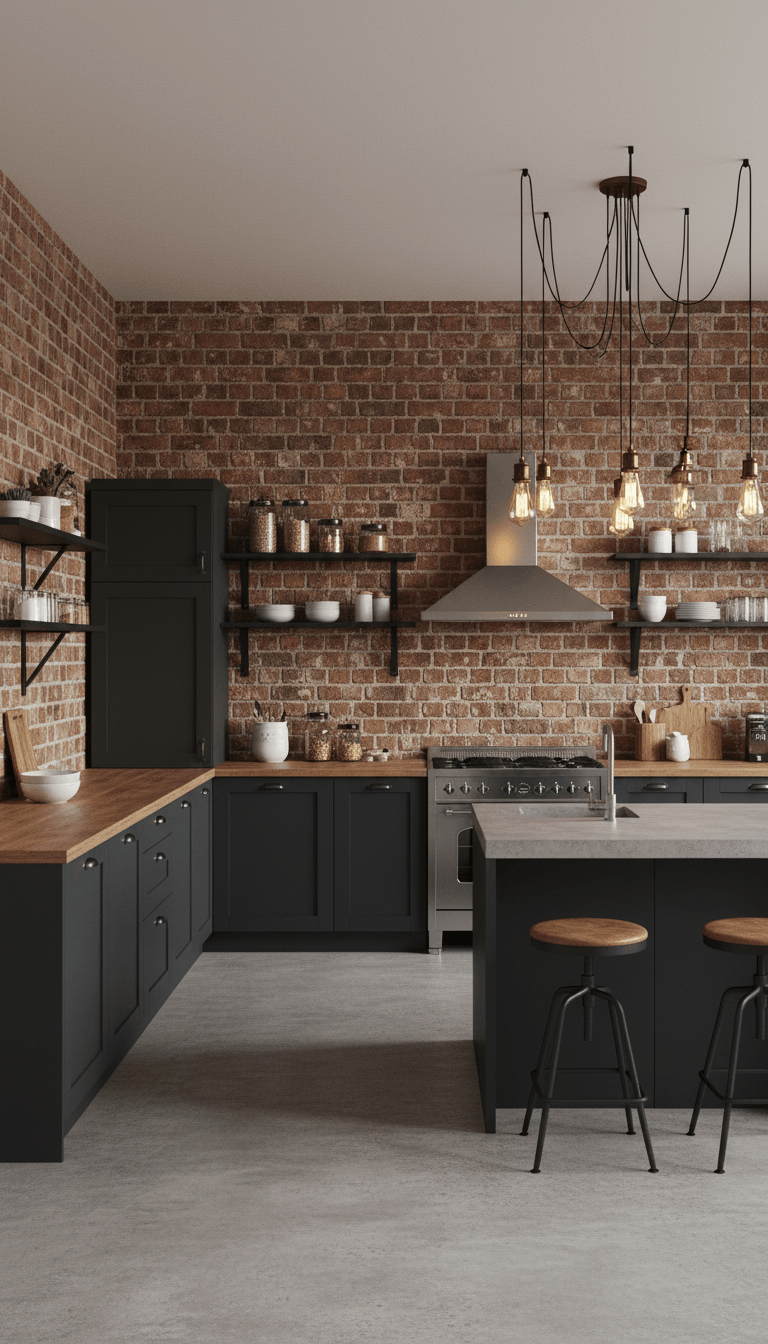
Industrial kitchens combine raw, edgy finishes with highly functional modules. They’re great for urban homes and loft-style apartments.
- Use darker cabinet colors like charcoal, black, or deep brown
- Incorporate exposed brick or concrete-look tiles for the backsplash
- Add metal accents: black frames, open metal shelves, and industrial-style lighting
Durable materials like stainless steel worktops or rough-textured laminates complement this look. Keep storage thoughtfully planned so the space feels intentional, not messy.
Action tip: Balance the dark, rugged finishes with warm lighting and a few wooden elements so the kitchen feels stylish, not stark.
Smart Tech-Integrated Modular Kitchen
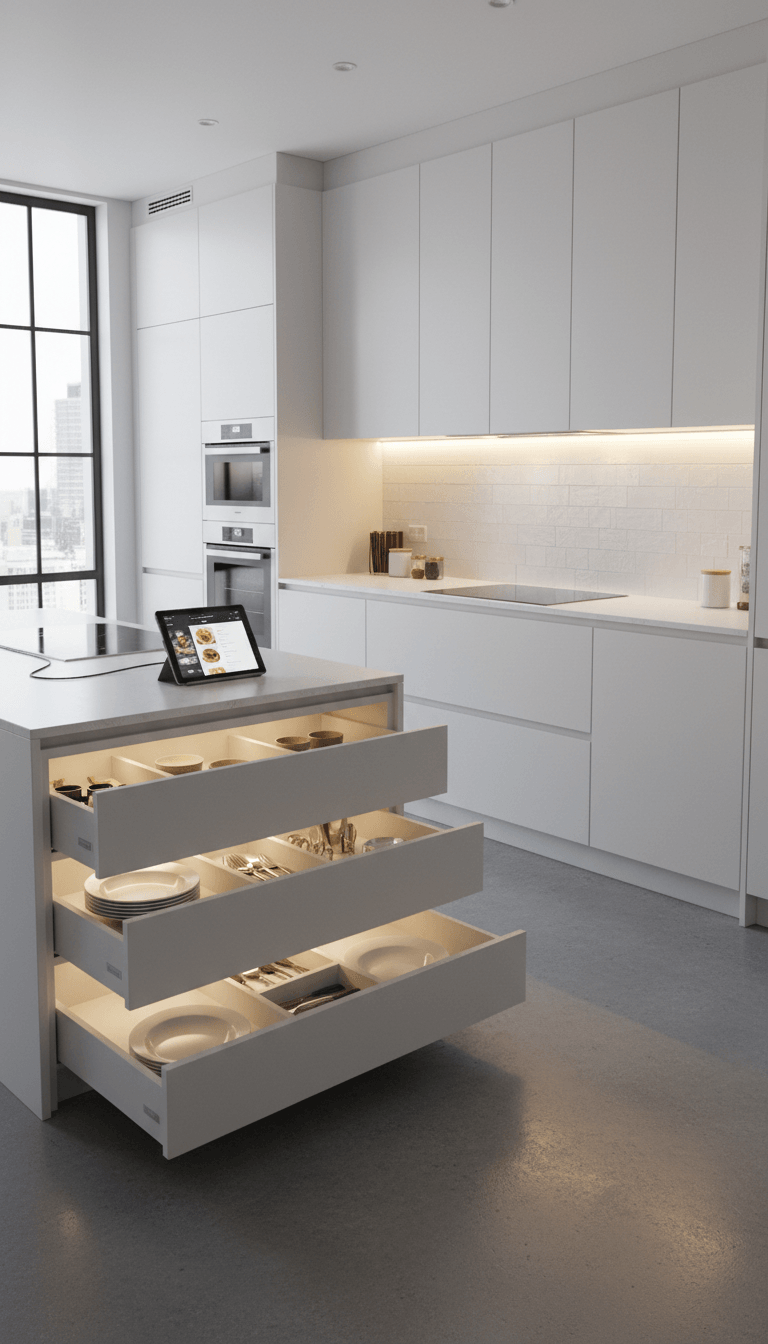
A tech-forward modular kitchen uses clever gadgets and smart storage to make daily life easier and more efficient. It’s ideal for busy households and modern apartments.
- Integrate built-in appliances like oven, microwave, and dishwasher for a streamlined look
- Add soft-close hinges, sensor lights, and drawer organizers
- Use smart plugs, under-cabinet LED strips, and a dedicated charging station
Plan electrical points early so you can hide wires and keep surfaces clutter-free. Combine tech with timeless finishes so your kitchen feels current without dating quickly.
Action tip: Make a list of all appliances and devices you use daily, then design specific modules and power points around them instead of fitting them in later.
Conclusion
The right modular kitchen design should reflect how you actually live: how often you cook, how much you entertain, and how much storage you truly need. From sleek straight-line layouts to show-stopping islands and tech-integrated spaces, each style offers a different way to blend beauty with everyday practicality.
Start by choosing the layout that best fits your floor plan, then layer in your preferred style, Scandinavian, industrial, or smart-modern, to make it your own. With thoughtful planning and the right modules, you can create a stunning, efficient kitchen that feels like the true heart of your home.